LARGE FORMAT FDM PRINTING

Oversized thermoplastic parts built fast, tough, and to scale

Big Parts, No Compromise

Large Format FDM printing gives engineers and manufacturers the ability to prototype, iterate, or produce oversized parts without assembly or tooling. Whether you’re building large housings, full-scale prototypes, production tooling, or structural components, our large-bed systems deliver speed, strength, and size.

Tronix3D offers both filament-based large-format FDM (up to 800 × 800 × 1000 mm) and industrial pellet-fed systems (up to 1200 × 1200 × 1600 mm). We also maintain smaller FDM printers for fast-turnaround prototyping when part size isn’t the bottleneck so you always have the right option for the job.
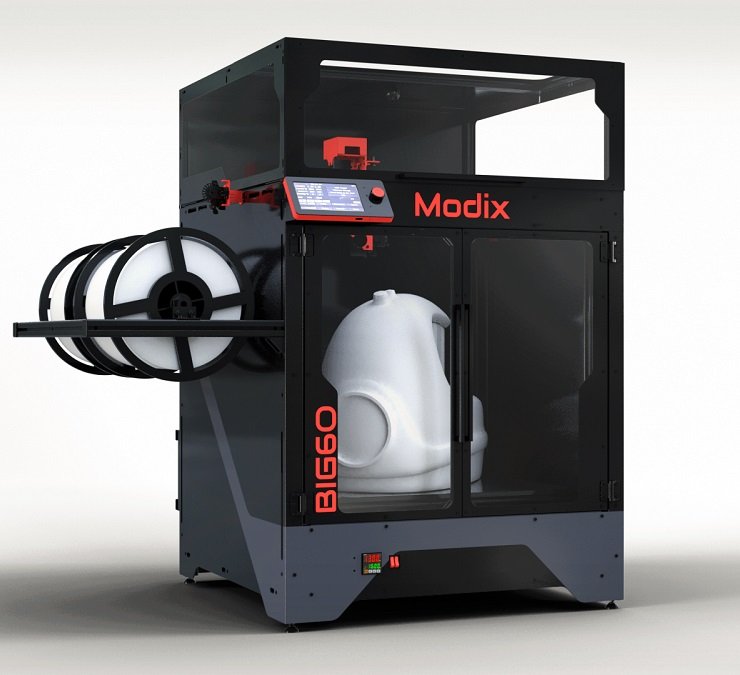
How Does Large Format FDM Work?

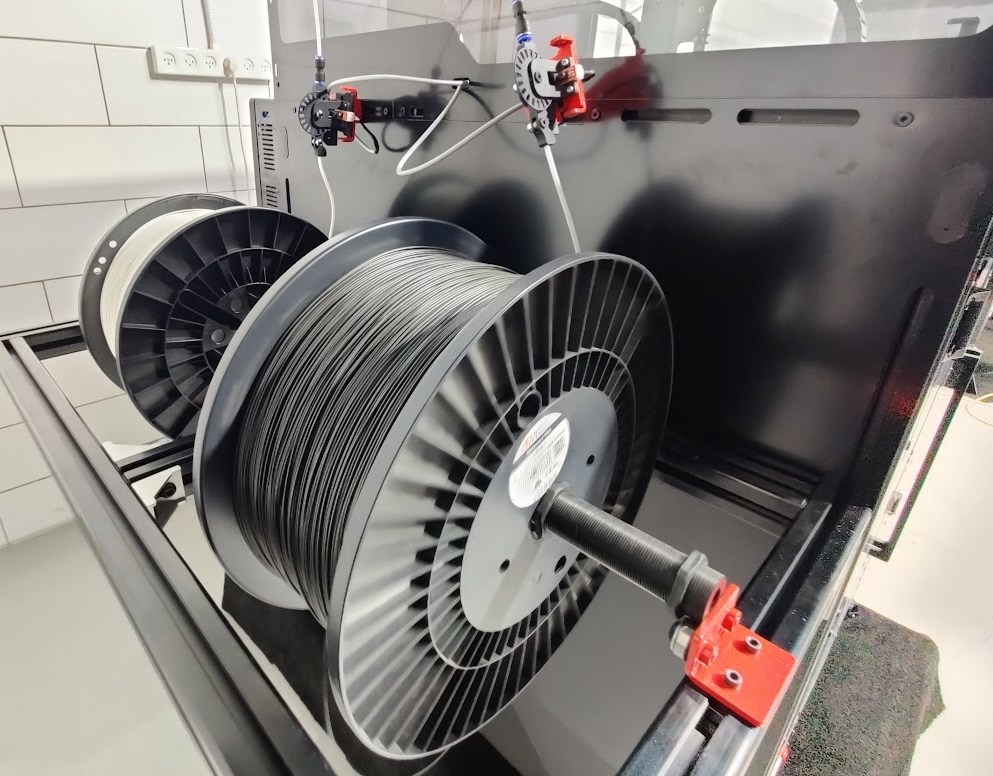
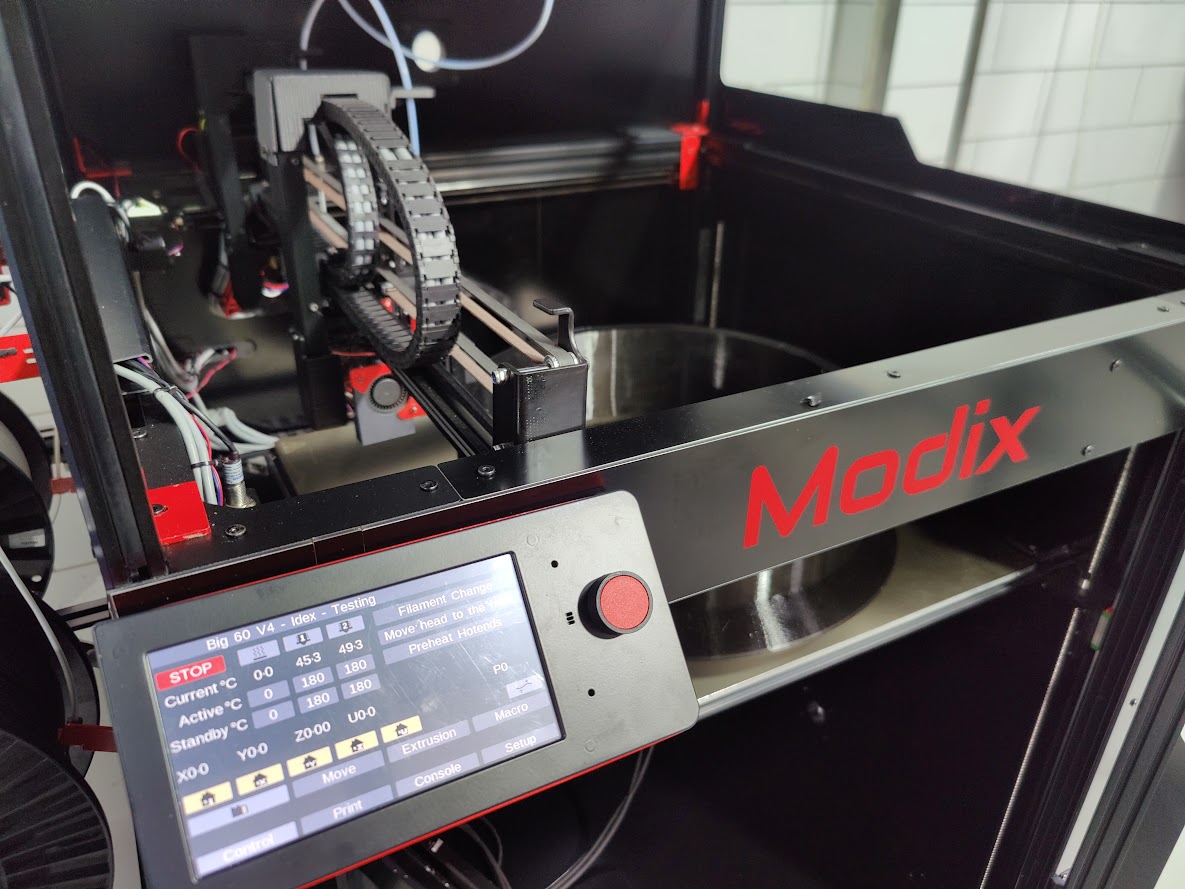
Large Format FDM uses thermoplastic extrusion to build full-scale parts layer by layer either from filament or pellet-fed material. The process is similar to standard FDM but scaled up with larger nozzles, heated beds, and reinforced gantries for stable, oversized builds.

At Tronix3D, we operate two core systems:

  1. Filament-Based Large Format FDM (800 × 800 × 1000 mm):
    Delivers clean, dimensionally stable parts using industrial-grade filament—great for medium to large parts with tight tolerances.

  2. Pellet-Fed FDM (1200 × 1200 × 1600 mm):
    Uses thermoplastic pellets to drastically reduce material cost and print time ideal for tooling, mockups, and structural applications.

Both systems support a wide range of polymers and composites. Combined with our design-for-additive approach, we help customers go from oversized CAD to usable parts faster than ever—without splitting, joining, or tooling.

Photo Credit: Modix3D

Benefits of Large Format FDM vs. Other Methods

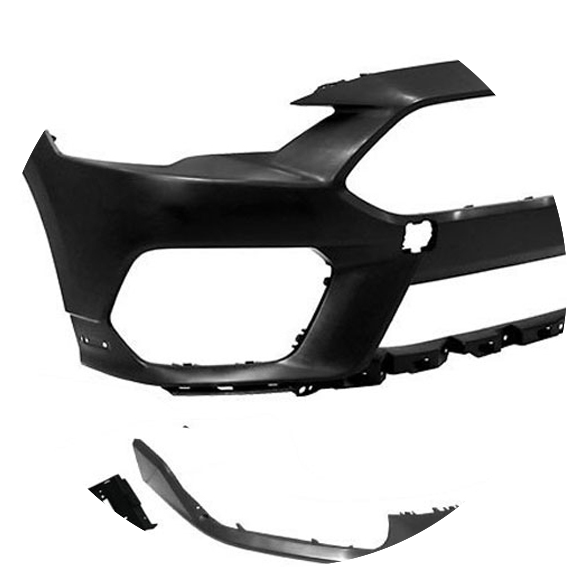
Large Format FDM makes it possible to produce full-size parts, fixtures, and prototypes without breaking them into sections or investing in expensive tooling. It’s a fast, flexible, and cost-efficient alternative to machining, casting, or assembling smaller printed segments.

Compared to CNC Machining or Casting:

Compared to Standard 3D Printing:

Photo Credit: Modix3D

Why Engineers Choose Large Format FDM

Whether you’re prototyping a 4-foot panel, printing production tooling, or delivering a visual mockup to stakeholders, Large Format FDM gives you size, speed, and savings all under one roof.

Materials for Large Format FDM

Tronix3D offers a wide range of thermoplastics for large-format printing—whether you’re targeting durability, heat resistance, or ease of processing. We select materials based on part function, scale, and whether the project uses filament or pellet-based systems.

Photo Credit: Modix3D

More material options are available upon request to match needs.

PETG & PETG-CF

Tough, low-warping polymer with good chemical resistance and minimal shrinkage.

Used for: Jigs, brackets, and large-format assemblies.

PLA

Affordable, easy-to-process material for visual prototypes and fast-turn mockups.

Used for: Concept models, low-load parts, and early-stage form studies.

ABS

Durable and impact-resistant with moderate heat tolerance.

Used for: Housings, fixtures, functional components.

Polycarbonate

High-strength, heat-resistant polymer for demanding applications.

Used for: Load-bearing parts, enclosures, and structural prototypes.

Why it Matters

Best Applications for Large Format FDM

Large Format FDM is ideal for teams that need oversized, functional parts without breaking the bank or the part into multiple pieces. It’s especially valuable for fast-moving projects where scale, durability, and turnaround time matter.

Top Applications Include:

Whether you’re printing a 4-foot prototype or a rugged production jig, Large Format FDM gives you the size, speed, and strength needed to move fast and build big.

Subscribe to our Weekly Newsletter

Stay ahead in industrial 3D printing, subscribe to the Tronix3D newsletter for cutting-edge breakthroughs, operational best practices, and exclusive opportunities.