

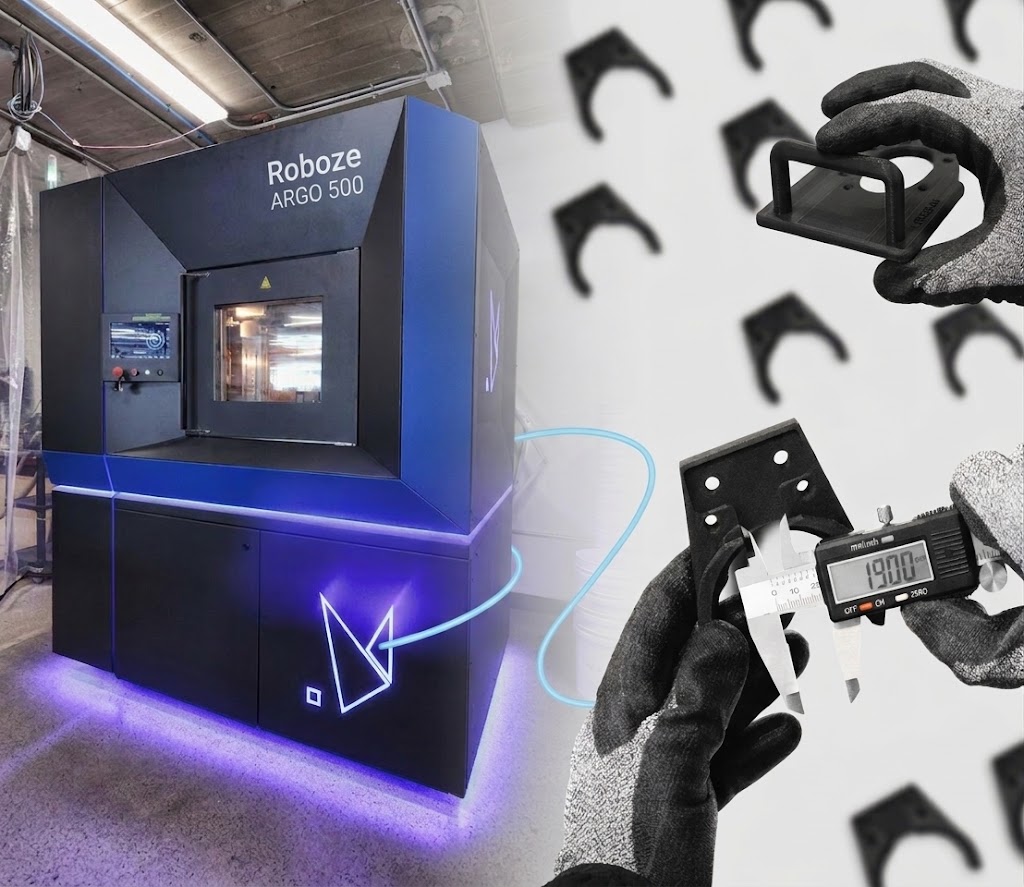
High-performance thermoplastics like PEEK, PEKK, and ULTEM 9085 have transformed modern manufacturing. Offering exceptional strength-to-weight ratios, chemical resistance, and thermal stability, these super polymers serve as primary metal-replacement candidates in aerospace, energy, and electronics applications.
However, processing these materials requires extreme thermal control. High glass transition temperatures and steep thermal gradients often cause warping, layer delamination, and internal stress concentrations.
Traditionally, engineers resolved thermal issues through expensive trial and error, adjusting orientations, chamber temperatures, and infill patterns across multiple failed builds. Predictive toolpathing powered by machine learning eliminates that wasted machine time and raw material cost. By integrating neural networks into the slicing phase, manufacturing teams predict thermal behavior and material deformation before initiating prints on high-temperature FDM systems.
The Thermal Challenge of Super Polymers
Processing super polymers requires nozzle temperatures near 500°C and build chambers heated up to 180°C. As the print head deposits molten filament, uneven cooling across complex geometries generates residual internal stresses.
In aerospace brackets or sealed electronic enclosures, unmanaged thermal stress leads to dimensional distortion or micro-cracks along the Z-axis. Standard slicing software applies a uniform shrinkage percentage across the entire bounding box. In practice, thermal expansion and layer shrinkage are dynamic variables dictated by localized wall thickness, toolpath vector lengths, and volumetric cooling rates.
How Machine Learning Transforms Toolpath Generation
Predictive slicing software uses trained neural networks to run high-speed thermal and mechanical simulations during CAD translation. The software analyzes part geometry voxel by voxel:
Predictive Thermal Mapping: Neural networks simulate layer-by-layer thermal dissipation, identifying localized heat traps before printing begins.
Dynamic Toolpath Optimization: The slicer adjusts print speeds, extrusion rates, and toolpath vectors dynamically, preventing thermal stress vectors from aligning.
Stress-Informed Compensation: The system selectively offsets part boundaries to compensate for non-uniform thermal shrinkage, ensuring parts cool into their specified tolerances.
Applications in Aerospace, Energy, and Electronics
Predictive toolpathing unlocks high repeatability and geometric fidelity for critical applications:
Aerospace: ULTEM 9085 structural ducts and high-altitude enclosures retain strict mounting tolerances without post-process machining.
Energy: Carbon-fiber PEEK downhole components maintain structural integrity under high pressure by preventing internal micro-voids.
Electronics: High-temperature sensor housings achieve precise snap-fits and flat, warp-free mating surfaces on the first build cycle.
First-Time-Right Super Polymer Production
Integrating machine learning into additive manufacturing shifts high-performance FDM into a repeatable production process. Predicting material physics before printing reduces raw material waste, eliminates failed build cycles, and delivers mission-critical parts faster.
At Tronix3D, we pair high-performance FDM platforms like the Roboze Argo 500 with deep engineering expertise to deliver end-use components for harsh environments. To evaluate your high-temperature polymer application or optimize your designs, talk to our engineers or explore our capabilities at tronix3d.com.
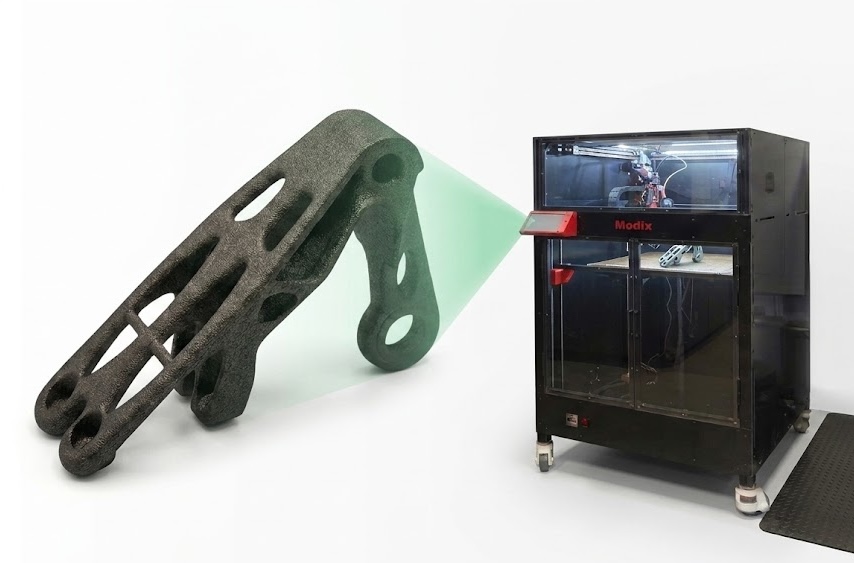
Aerospace structural hardware demands high strength-to-weight ratios, corrosion resistance, and total structural reliability. Grade 5 Titanium (Ti6Al4V) remains the gold standard for structural brackets, engine mounts, and critical flight hardware. While Direct Metal Laser Sintering (DMLS) has long dominated metal 3D printing, Cold Metal Fusion (CMF) offers an alternative for producing precision titanium parts with reduced thermal stress and lower cost-per-part.
Understanding the Process Mechanisms
DMLS relies on high-powered lasers to fully melt titanium powder layer by layer in a localized burn pool. While effective, this extreme thermal input creates severe internal thermal stress gradients, requiring extensive support structures anchored to a build plate, followed by labor-intensive stress-relief heat treatment and manual support removal.
Cold Metal Fusion decouples the printing and sintering steps. CMF utilizes a low-temperature Selective Laser Sintering (SLS) process to shape polymer-coated Ti64 powder into a dense “green part”. The green part then undergoes automated debinding and high-vacuum thermal sintering, bonding the titanium particles to achieve near-forged densities (~98.5–99.5%) without localized melting stresses.
Evaluating Throughput, Stress Control, and Cost-per-Part
Thermal Stress Control: Because CMF shapes parts at lower processing temperatures, components do not suffer from the warp vectors common in DMLS. Support structure requirements are minimized, preserving part geometry.
Build Throughput: CMF platforms achieve up to three times faster printing throughput compared to standard mid-format DMLS machines, enabling higher output for low-to-mid volume production runs.
Mechanical Integrity: Post-sintered CMF Grade 5 Titanium achieves tensile strengths exceeding 1000 MPa and elongation of 10–15%, meeting strict mechanical requirements for aerospace structural applications. Optional Hot Isostatic Pressing (HIP) can further optimize internal density.
Making the Selection for Flight Hardware
For intricate aerospace brackets requiring internal channels or dense batch production, CMF reduces processing costs and secondary machining cycles.
Navigating metal additive manufacturing requires matching part geometry with the optimal process. To evaluate your aerospace components for Cold Metal Fusion, reach out to the engineering team.
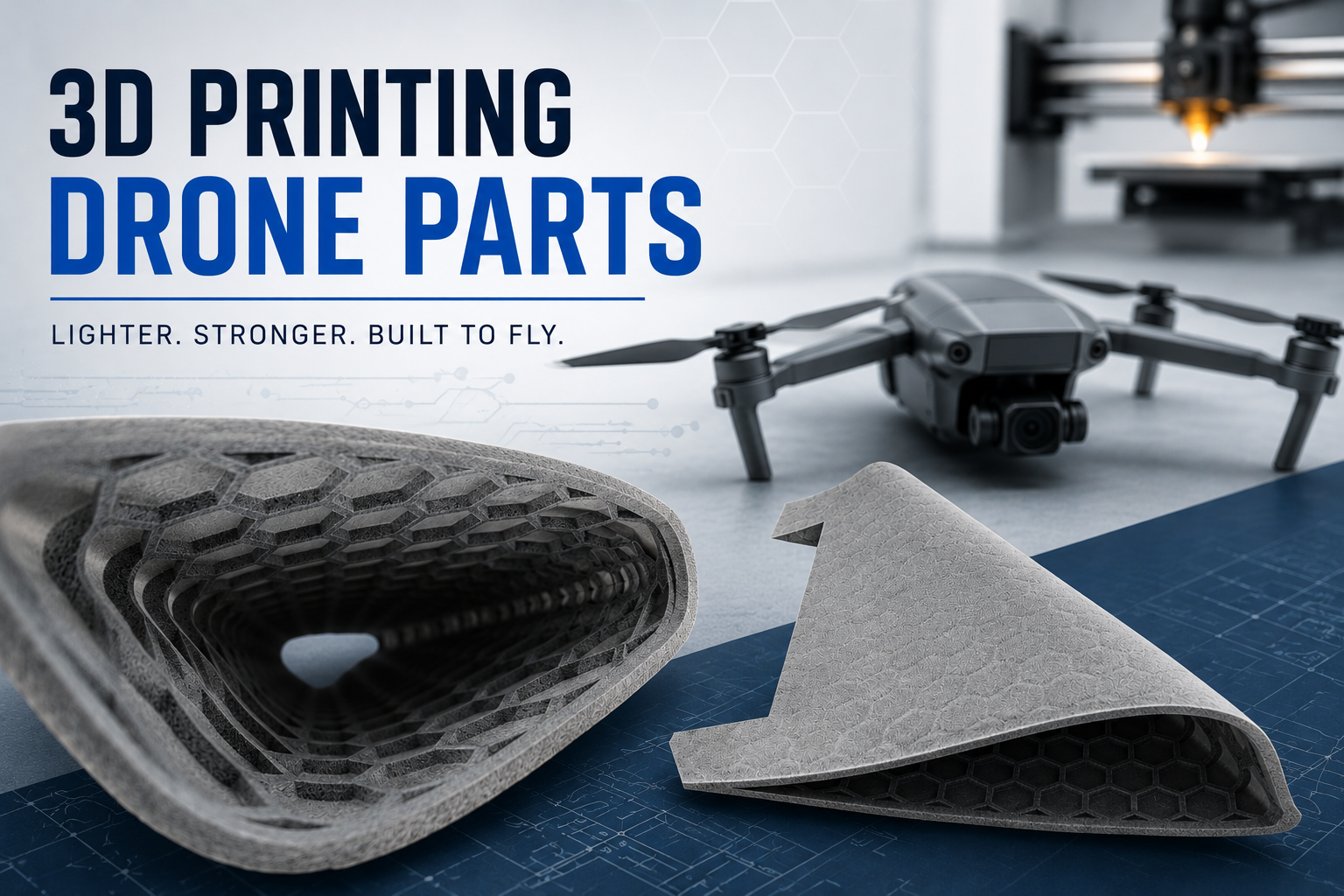
The unmanned aerial vehicle (UAV) and defense sectors face an evolving operational challenge: scaling hardware production rapidly without committing to rigid, multi-month tooling lead times. Modern tactical drones and attrition-tolerant systems require constant iteration, rapid field deployment, and high-volume component throughput. Traditional injection molding creates a significant bottleneck during early-to-mid volume scaling, as steel and aluminum tooling can take up to 16 weeks to cut.
Eliminating the Tooling Bottleneck with HP Multi Jet Fusion
Additive manufacturing provides a direct bridge to scalable UAV production. Utilizing HP Multi Jet Fusion (MJF), defense and aerospace engineering teams can transition directly from CAD files to production-grade flight components in days. High-volume powder-bed fusion enables dense nesting within the print chamber, allowing hundreds of custom motor mounts, arm connectors, sensor brackets, and internal chassis plates to build in a single run.
Performance and Sustainability with PA12 Nylon Solutions
Material integrity cannot be compromised when flight reliability is on the line. Unfilled PA12 Nylon offers high impact strength, chemical resistance, and predictable isotropic mechanical properties, ensuring structural parts perform uniformly under mechanical stress regardless of build orientation. For high-vibration applications like rotor mounts and structural ribs, PA12 Glass Beads provides added mechanical stiffness and thermal stability.
By integrating closed-loop sustainable polymer workflows, manufacturing teams can recycle unused powder across production runs, lowering per-unit production costs while minimizing raw material waste. This makes additive manufacturing an ideal strategy for expendable hardware, tactical systems, and agile UAV fleets.
Key Production Advantages for Unmanned Systems
Direct CAD-to-part production eliminates upfront tooling expenses and long setup lead times.
Isotropic PA12 parts deliver end-use durability equivalent to mid-grade injection-molded plastics.
Powder-bed nesting allows agile scaling from 10 to 5,000+ units on demand.
Integrated feature design allows cable channels, snap-fits, and mounting points to print directly into the frame.
To optimize your UAV platform for rapid scaling or discuss low-volume production strategies, request a quote or talk to our engineering team at Tronix3D.
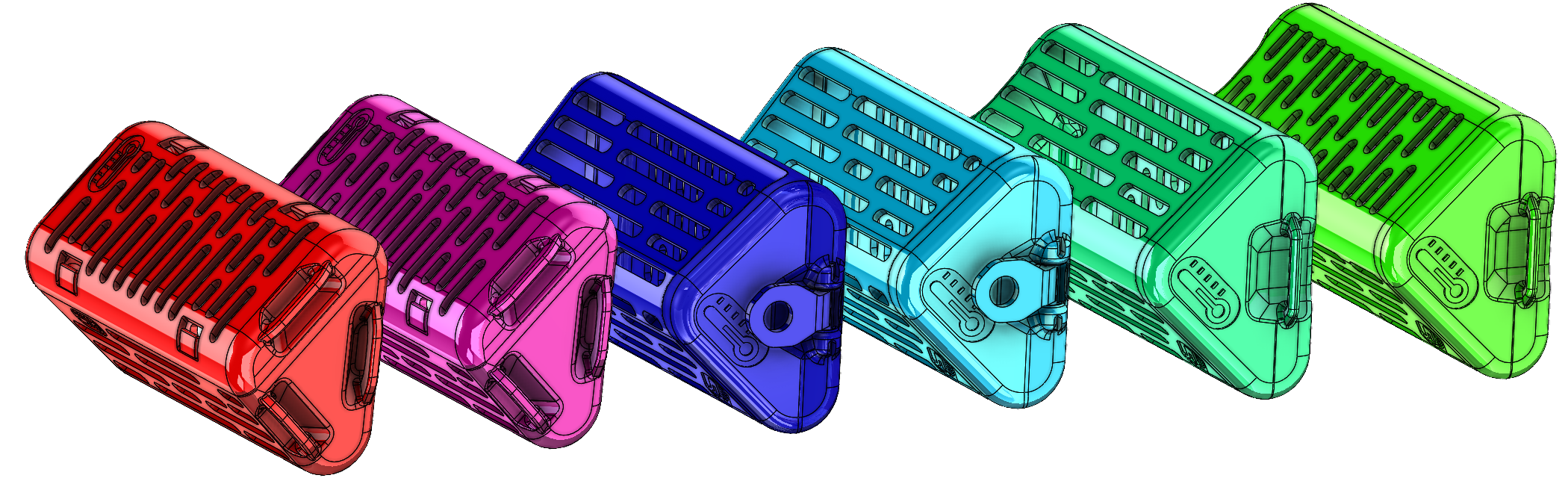
In a traditional manufacturing setting, a single CAD change, like thickening a wall or shifting a bolt hole, triggers a cascade of tooling delays and stalled production schedules.
Additive manufacturing replaces fixed tooling with a digital thread, shrinking the journey from a CAD revision to a finished component from months to days. However, achieving industrial precision requires a structured, engineering-first workflow. Here is how a design transitions from a screen modification to a high-performance physical part.
1. The Engineering Review & DfAM Optimization
The process begins the moment a revised STEP file is received. Instead of relying on automated software, industrial-grade production requires a human-in-the-loop Design for Additive Manufacturing (DfAM) assessment to evaluate geometric changes against the physics of the build chamber:
- Orientation Optimization: Aligning the part to ensure real-world load paths do not cross vulnerable, anisotropic Z-axis layer lines.
- Thermal Management: Analyzing geometry to ensure thickened sections won’t trap heat during cooling, preventing warping in high-performance materials like HP MJF Nylon.
2. Digital Slicing and Toolpath Generation
Once optimized, the CAD model is translated into thousands of microscopic, two-dimensional layers. For processes like HP Multi Jet Fusion (MJF), this stage leverages algorithmic Design Nesting. Packing the revised part alongside other geometries in a single 3D build volume maximizes machine throughput and directly slashes per-unit costs by spreading fixed operational overhead.
3. The Physical Build Phase
The printer constructs the part layer-by-layer, bonding powder or extruding super-polymers based on the sliced CAD data. Throughout the build, real-time sensors and closed-loop monitoring track thermal consistency across the print bed, ensuring the mechanical properties of the raw material meet strict performance baselines.
4. Professional Finishing: Tronix3D Post-Processing
A raw print is just a “near-net shape.” To transition it into a flight-ready component, Tronix3D integrates a suite of in-house post-processing and finishing services to achieve precise engineering tolerances:
- Automated Vibratory Tumbling: Uses mechanical media to uniformly reduce surface roughness, improving both aesthetics and fatigue life across complex geometries.
- Vapor Smoothing: A chemical refinement process that fully seals the surface of polymers like PA12. This is critical for fluidic manifolds, airtight components, or achieving an injection-molded surface finish.
- Advanced Coatings: Industrial dyeing, specialized Cerakote coatings, and metal plating provide environmental resistance, UV protection, and enhanced surface hardness.
- Mechanical Integration: Pressing in threaded inserts, part assembly, and secondary CNC machining on critical mating faces for micrometer-perfect tolerances.
The Competitive Advantage
If field testing demands another structural adjustment, the cycle resets instantly. There are no molds to scrap and no supply chain bottlenecks. You simply update the CAD file, upload the new digital thread, and print the next iteration.
To accelerate your development cycles and eliminate the friction between design revisions and finished hardware, connect with our engineering team to start a technical design review at tronix3d.com.
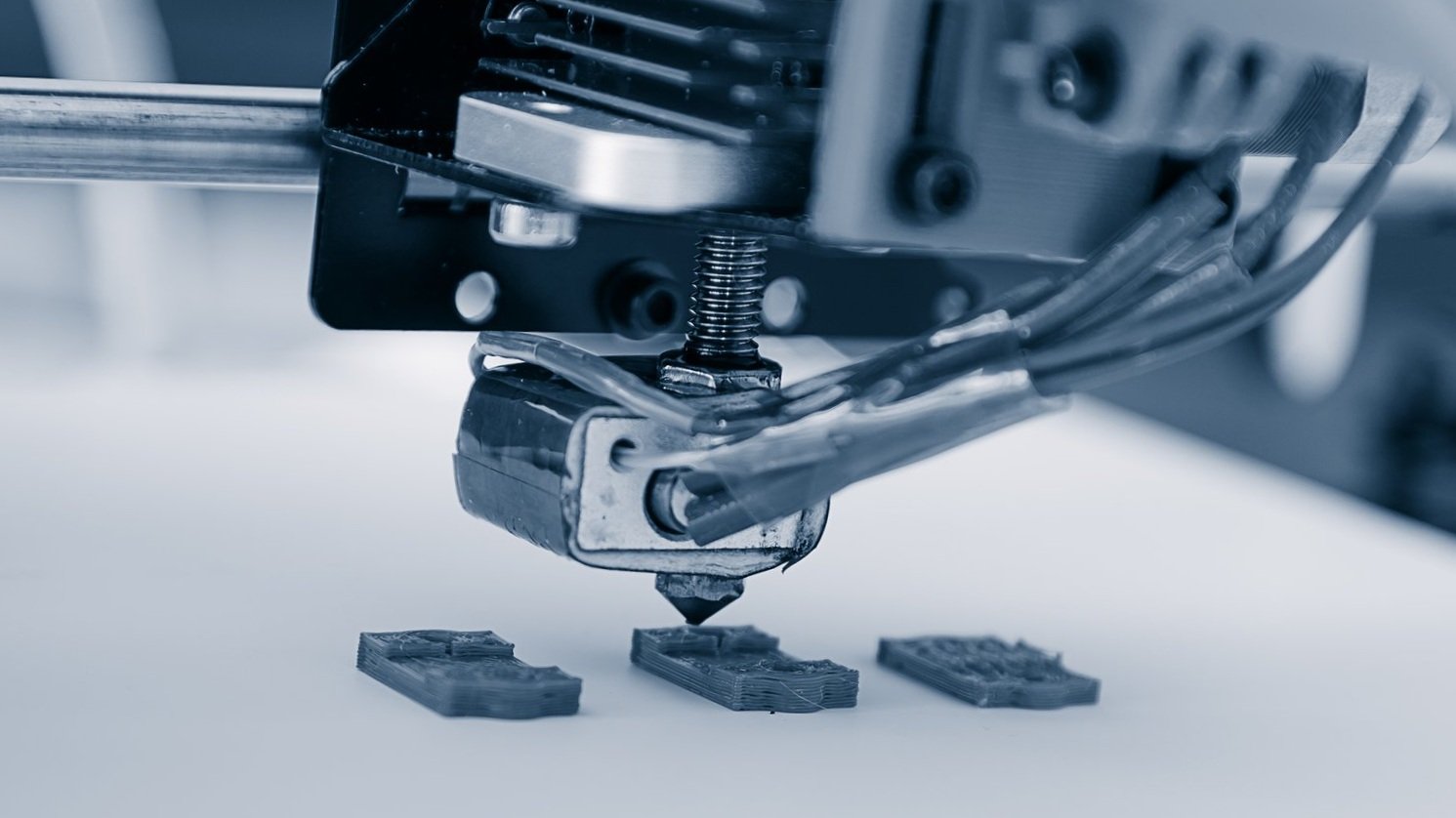
For over 50 years, the rules of engineering have been dictated by the limitations of the mill and the lathe. Engineers are taught from day one to think in terms of “how do I cut this away?” This subtractive mindset has become so ingrained that even when moving to Additive Manufacturing (AM), many designers are still subconsciously designing for a CNC machine.
The problem? Designing a 3D-printed part like a machined part doesn’t just limit performance; it significantly inflates your cost per part. If you want to realize the full value of 3D printing, you have to break these three common “subtractive habits.”
1. The Trap of Blocky Geometries
In CNC machining, a rectangular block is the cheapest starting point. Removing only what is necessary saves machine time. In Additive Manufacturing, the opposite is true. Every cubic centimeter of material you “save” by leaving the part blocky actually costs you money in resin or powder.
Designing for AM requires a “generative” mindset. Instead of starting with a block and cutting holes, you should start with the load paths and only add material where the physics demands it. By “shelling” out thick sections or using lattice structures, you reduce material consumption and shorten build times, directly lowering your invoice.
2. Unnecessary Fillets and Radii
In the subtractive world, internal fillets are a byproduct of a spinning drill bit or end mill. Designers often add them to every corner by default. When 3D printing, especially with processes like HP Multi Jet Fusion (MJF), these fillets can actually be a liability.
Large, decorative fillets increase the “thermal mass” of a specific area. In high-performance polymers, inconsistent thermal mass leads to uneven cooling, which can cause warping or dimensional inaccuracies. Unless a radius is serving a specific structural purpose for stress distribution, “over-filleting” a part just adds unnecessary weight and cooling complexity.
3. Ignoring the Power of Part Consolidation
A hallmark of subtractive design is the assembly. Because a mill can only reach so many angles, complex systems are broken down into ten different parts held together by fasteners, seals, and welds. This creates a massive “hidden cost” in inventory management and labor.
When you stop designing for CNC, you stop designing assemblies. Additive Manufacturing allows you to consolidate those ten parts into a single, seamless geometry. This eliminates failure points like leaking seals or vibrating bolts and wipes out the labor cost of assembly. If your 3D-printed part still requires a bag of screws to function, you’re likely still designing with a subtractive mindset.
The Shift to DfAM (Design for Additive Manufacturing)
Breaking 50 years of habits isn’t easy, but it is necessary for high-performance production. At Tronix3D, our engineers specialize in DfAM reviews. We don’t just print your file; we look for these subtractive hangovers that are driving up your costs.
By identifying where you can reduce material, optimize for thermal cooling, and consolidate assemblies, we help you move from a “printable” part to a “producible” industrial component that is lighter, stronger, and more cost-effective than its machined predecessor.
Stop paying the “subtractive tax” on your additive projects. If you are ready to optimize your designs for production-grade polymers or titanium, contact the engineering team at tronix3d.com/contact-us to start a technical design review.

In the 2026 drone market, agility is a competitive necessity. Whether you’re developing defense loitering munitions or commercial VTOLs, traditional manufacturing cycles are too slow. Here’s why rapid iteration is the primary advantage in UAV development.
The End of the 6-Month Lead Time
Domestic sourcing for drone components often takes months via traditional methods. In an industry where software updates happen weekly, waiting months for hardware is a liability.
Industrial additive manufacturing moves from CAD revision to flight-ready part in 24 to 72 hours, allowing physical components to evolve at the same pace as flight control software.
Tactical Prototyping
The best drone platforms are shaped by field data. If a bracket fails during high-wind testing, the engineering loop must be immediate:
- Monday: Print Version A.
- Tuesday: Field test and failure analysis.
- Wednesday: Print optimized Version B.
- Thursday: Back in flight.
This “Tactical Prototyping” ensures lessons learned in the field are implemented instantly, not weeks later.
Digital Inventories & Supply Chain Sovereignty
Relying on offshore tooling creates a single point of failure. Shorter lead times are achieved through Digital Inventories, storing “Digital Twins” and printing on demand.
At Tronix3D, we help manufacturers eliminate warehousing costs by providing just-in-time production for flight hardware.
Iterative Weight Optimization
Weight is the enemy of endurance. Shorter lead times allow engineers to obsess over topology optimization. Instead of settling for a heavy part due to molding costs, engineers can iterate through multiple lattice designs in one week, maximizing payload and flight range.
Move at the Speed of Flight
If your lead times are measured in weeks, you’re falling behind. At Tronix3D, we bridge the gap between concept and flight, ensuring your mission-critical parts are ready while competitors are still waiting on a quote.
Ready to shorten your development cycle? Connect with our team to move your drone designs into high-performance production at https://tronix3d.com/drone-parts/.
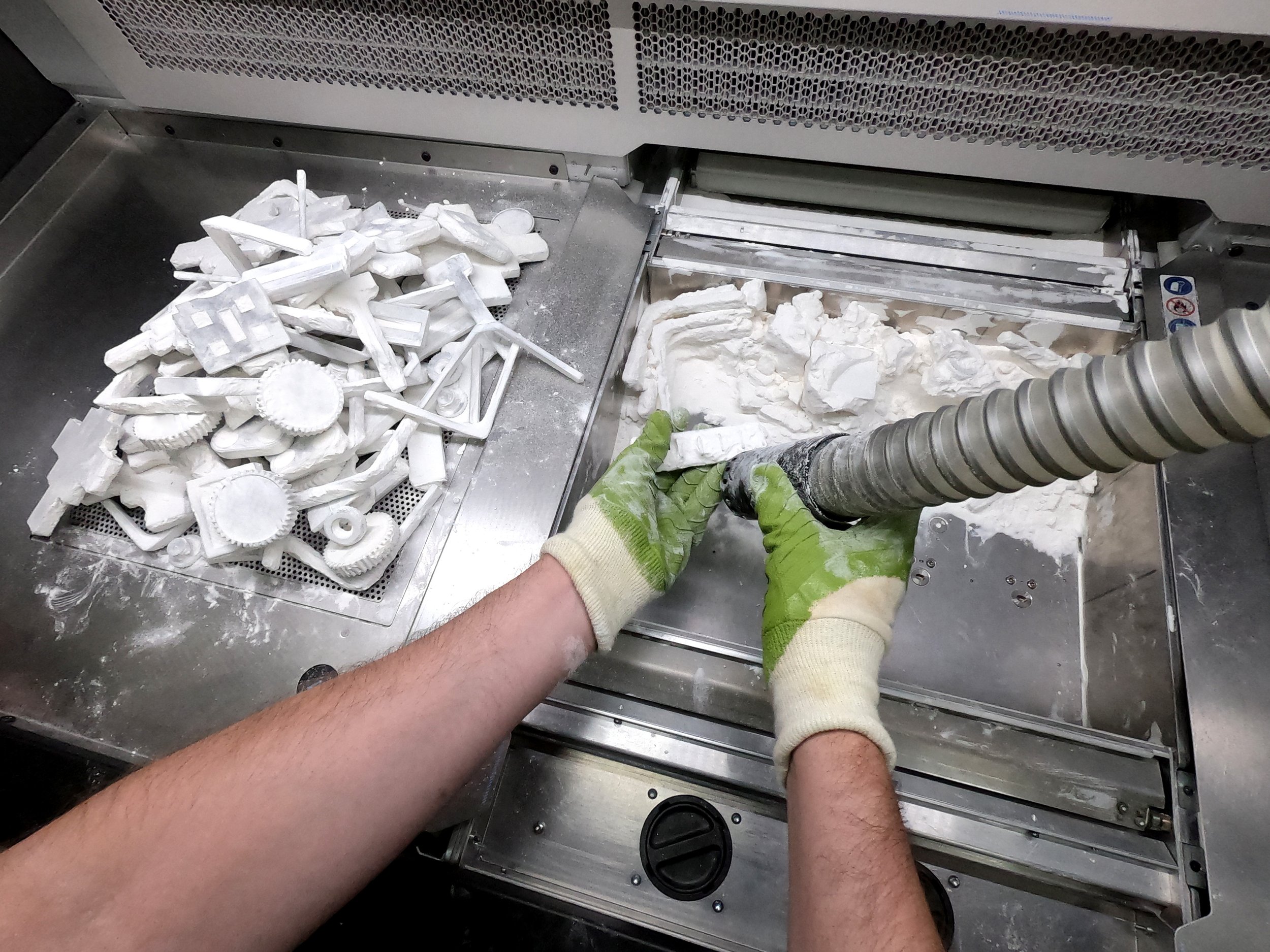
In government contracting and industrial manufacturing, transparency is just as important as technical skill. At Tronix3D, we maintain a specific set of federal registrations and certifications that allow us to move at the speed of innovation while meeting strict agency requirements.
If you’ve seen the string of codes in our documentation and wondered how they impact your project, here is the breakdown of why they matter.
The CAGE Code (11V52): Our Federal ID Card
The Commercial and Government Entity (CAGE) code is our unique identifier within the Department of Defense (DoD) and the System for Award Management (SAM). For our partners, this code is the “green light.”
It confirms that Tronix3D is a vetted, registered entity ready to receive federal contracts and participate in the defense supply chain. When you’re under a tight deadline for a defense-related prototype, having a partner with an active CAGE code means we can skip the identity verification hurdles and get straight to work.
Non-Traditional Defense Contractor: The Innovation Fast-Track
This is arguably our most strategic designation. Being an SBA-recognized Non-Traditional Defense Contractor means Tronix3D brings commercial-sector speed to defense-sector problems.
This certification is a major win for our clients because it allows agencies like the DoD and NASA to use Other Transaction Authority (OTA). This bypasses the slow, traditional “FAR-based” acquisition process, allowing us to get under contract for prototypes and low-volume production in weeks rather than months. It signals that we are an innovative shop capable of rapid iteration without the massive overhead typically associated with federal procurement.
NAICS 333248: Industrial-Grade Manufacturing
Our primary North American Industry Classification System (NAICS) code confirms our capabilities in All Other Industrial Machinery Manufacturing. This distinction is important: it classifies Tronix3D not as a simple “print shop,” but as an industrial manufacturer. We aren’t just hitting a button on a desktop printer; we are engineering mission-critical hardware using advanced polymer and metal additive processes designed for high-performance applications and the flight line.
UEI & DUNS: Financial and Operational Transparency
The Unique Entity ID (UEI: QYX7MTJQ1H11) and DUNS Number (134020246) provide the baseline for our operational transparency. These codes are the standard for business verification. They ensure that our business identity is verified and our operational health is monitored, providing peace of mind for procurement officers managing multi-year programs or complex aerospace builds.
Why These Credentials Matter for You
When you see these codes, know that they represent a partner that is technically capable, federally vetted, and ready to scale your project from a single CAD file to a full production run. We combine these formal credentials with a “hands-on” approach to manufacturing to ensure your project meets every regulatory and technical requirement.
If you’re ready to start your next project with a vetted partner, you can discuss your specific agency requirements with our engineering team or request a quote directly through our secure portal at tronix3d.com.
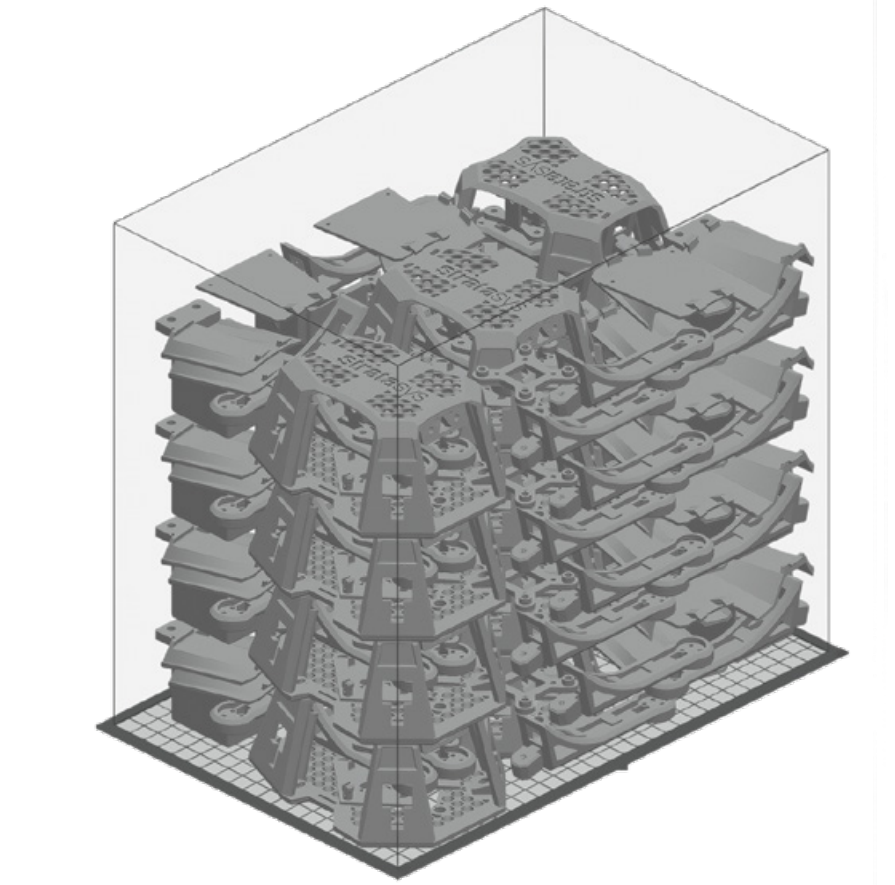
For years, engineers were trapped: pay a premium for 3D-printed prototypes or invest heavily in hard tooling for injection molding. By leveraging industrial-scale additive manufacturing, we make low to mid-volume production (50–5,000+ parts) cost-competitive with traditional methods.
Here is how our engineering process drives down your per-unit costs.
High-Density Design Nesting
In traditional CNC machining, each part requires a separate setup. In our HP Multi Jet Fusion (MJF) and Cold Metal Fusion (CMF) systems, cost is driven by build volume utilization.
We use advanced algorithms to pack hundreds of parts into a single 3D build chamber. By maximizing run density, we spread fixed machine operating costs across more units, significantly lowering the price of each part.
Strategic Stackable Geometries
One of the most effective ways to cut costs is designing parts that “play well” with others. During the DfAM (Design for Additive Manufacturing) phase, we help you identify Stackable Geometries.
When parts can be nested or stacked vertically without compromising quality, we maximize throughput. A 10% increase in build density translates directly to a reduction in your per-unit invoice.
Shared Build Volume Strategies
Tronix3D operates as a high-efficiency production hub. Through Shared Build Volume Strategies, we combine multiple projects from different clients into a single high-density build.
This “shared economy” approach ensures our machines never run half-empty. We pass those operational savings directly to you, allowing even small defense contractors or startups to benefit from the economies of scale typically reserved for massive orders.
Eliminating the “Tooling Tax”
The biggest cost reduction isn’t in the material; it’s the elimination of hard tooling. Traditional injection molding requires molds that take months to produce and carry high upfront costs.
With Tronix3D’s additive workflow:
- Initial Investment: No tooling costs.
- Agility: Design tweaks are as simple as updating a CAD file.
- Lead Time: Go from CAD to production-grade parts in days, not months.
High-Performance Throughput in Pittsburgh
By focusing on nesting and volume optimization, Tronix3D provides a bridge for engineers who need high-performance parts without the prohibitive price of a $50,000 mold.
Is your current production method costing you too much?
- Consult our engineers: Let us analyze your part for nesting and stackability
- Compare the costs: Request a production quote.
- Explore the tech: See our production-grade materials and processes.
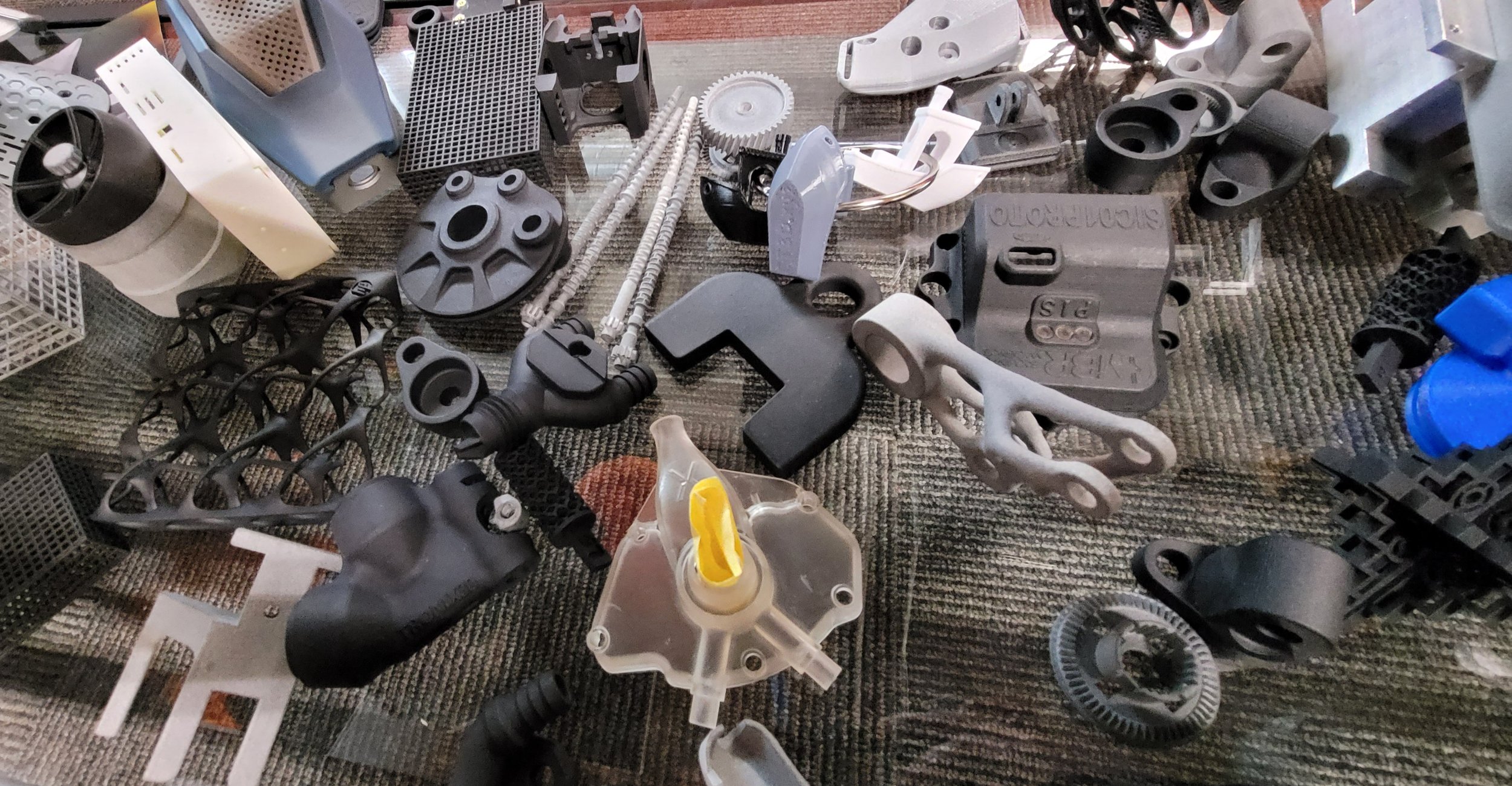
In the aerospace, defense, and robotics sectors, “time to market” is a primary competitive advantage. Whether you are replacing a legacy part for a grounded aircraft or iterating on a new robotic actuator, project speed often hinges on the speed of your quote.
At Tronix3D, we have optimized our workflow for rapid, engineering-backed pricing. To help our engineers deliver a fast, production-ready quote, include these four critical details in your next Request for Quote (RFQ).
1. High-Quality STEP Files
While STL files are common, they are “mesh” files that lack the mathematical precision of a true CAD model. If you don’t have a STEP file, we can still work with whatever CAD file you have, but STEP files are the industrial gold standard.
They allow our engineers to perform precise geometry assessments, measure wall thicknesses, and check tolerances for threaded inserts. High-quality data eliminates back-and-forth emails, shaving hours or even days off the quoting process.
2. Quantity and Lead Time
Are you looking for a single “form and fit” prototype or a low-volume run of 5,000 production parts?
Defining quantity upfront allows us to recommend the most cost-effective path. A single prototype might be perfect for mSLA, while 1,000 parts are better suited for the high throughput of HP Multi Jet Fusion (MJF). Clear lead times also allow us to verify machine capacity and material availability immediately.
3. Material and Process Specification
Your material choice dictates the entire production workflow. If your requirements are set, please specify what you need.
- HP MJF: For production-grade, isotropic polymer parts.
- Cold Metal Fusion: For high-strength Titanium (Ti6Al4V) components.
- Super Polymers: For high-heat or chemical-resistant applications using PEEK, Carbon PEEK, or ULTEM™ 9085.
If you are unsure, tell us your application. Whether the part faces jet fuel exposure, high vibrations, or temperatures above 200°C, our engineers will recommend the best path for functionality and cost.
4. Post-Processing and Assembly
A raw print is rarely the final step for mission-critical hardware. To provide an accurate total cost, we need to know your finishing requirements:
- Vapor Smoothing: For airtight seals and improved surface finish.
- Dyeing and Finishing: For aesthetic consistency or Cerakote requirements.
- Mechanical Integration: Requirements for threaded inserts or secondary CNC machining for micrometer-perfect tolerances.
Better Inputs = Better Outcomes
The difference between a “print service” and an engineering partner is the level of scrutiny applied to your RFQ. Providing these details upfront allows the Tronix3D team to move past basic pricing and into meaningful Design for Additive Manufacturing (DfAM) feedback.
Ready to start your next project? Ensure your project moves at maximum speed by requesting your quote here.
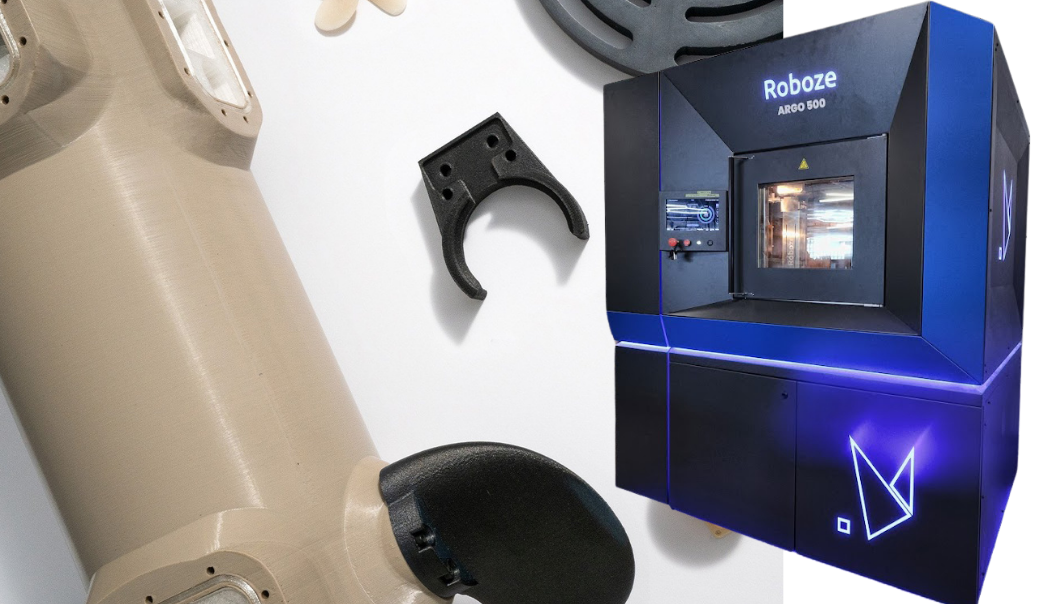
For a long time, the engineering decision-making process was straightforward: if a part faced mission-critical loads or extreme temperatures, you reached for aluminum or titanium. It was the safe bet, backed by decades of heritage data. However, that traditional “metal-first” mindset is now often becoming a liability.
At Tronix3D, we are seeing a fundamental shift in how aerospace and defense teams approach material selection. The rise of high-performance super polymers, specifically PEEK, Carbon PEEK, and ULTEM™ 9085, has introduced a new tier of engineering materials that challenge the dominance of alloys. These aren’t just plastic parts; they are advanced thermoplastics capable of surviving environments that would compromise traditional metals.
The Weight Equation: Why Every Gram is a Target
In sectors like UAV development and satellite manufacturing, weight is the primary constraint on performance. When you compare the density of 6061 Aluminum (2.7 g/cm³) or Ti6Al4V Titanium (4.4 g/cm³) to a material like PEEK (~1.3 g/cm³), the math becomes impossible to ignore.
By pivoting to a super polymer, engineers can achieve weight savings of 50% to 60%. For a drone fleet, this isn’t just a marginal gain; it translates directly into a 20% increase in flight time or the ability to carry more sophisticated sensor payloads. At Tronix3D, we focus on helping you find that “sweet spot” where you can shed mass without sacrificing structural integrity.
Navigating the High-Performance Polymer Lineup
Choosing between these materials requires a nuanced understanding of your operating environment. At Tronix3D, we offer three primary pathways for high-performance applications:
- PEEK (Polyether ether ketone): The industrial workhorse, prized for its continuous service temperature of 260°C. It retains mechanical properties under thermal and chemical stress that would cause aluminum to creep.
- Carbon PEEK: Standard PEEK reinforced with carbon fiber. This is our go-to for components requiring maximum rigidity, improved thermal conductivity, and wear resistance under high mechanical loads.
- ULTEM™ 9085 (PEI): Specifically engineered for FST (Flame, Smoke, and Toxicity) compliance. It meets strict FAA and DoD safety mandates (FAR 25.853), making it a requirement for aircraft ducting and electrical housings.
Chemical Resilience Without the Coatings
One of the hidden costs of metal parts is the secondary processing required to survive harsh environments. Aluminum often needs expensive anodizing or specialized coatings to resist jet fuel, hydraulic fluids, or salt spray. Super polymers, by contrast, are virtually inert.
In sub-sea or chemical processing applications, PEEK components frequently outlast coated metal parts by a factor of 3x or 5x. This inherent corrosion resistance eliminates the risk of coating failure and significantly reduces the long-term maintenance burden for the end-user.
Balancing Performance: When Metal Still Wins
As an engineering-driven partner, we are the first to admit that polymers aren’t a universal replacement. We typically advise sticking with metal in the following scenarios:
- Extreme Heat: For sustained operation consistently above 300°C, the thermal ceiling of titanium is still necessary.
- Surface Hardness: Applications involving high-friction, grinding interfaces, like gear teeth, require the Rockwell hardness of metal.
- Conductivity: If a part must act as a primary electrical ground or a high-efficiency thermal heat sink, polymers (which are natural insulators) are not the right fit.
Your Engineering Partner in Pittsburgh
Tronix3D serves as an extension of your design team, helping you navigate the complexities of Design for Additive Manufacturing (DfAM). Our goal is to move your project from CAD to a flight-ready part in days, allowing you to iterate and validate your designs at a pace that traditional CNC machining simply cannot match.
If your project is currently over-engineered for metal, let’s talk. We can analyze your thermal and mechanical loads to determine if a super polymer switch is the right move for your mission.
Ready to light-weight your next project? Talk to our engineers at https://tronix3d.com/contact-us to review your CAD files or request a technical quote for your low-to-mid volume production needs.
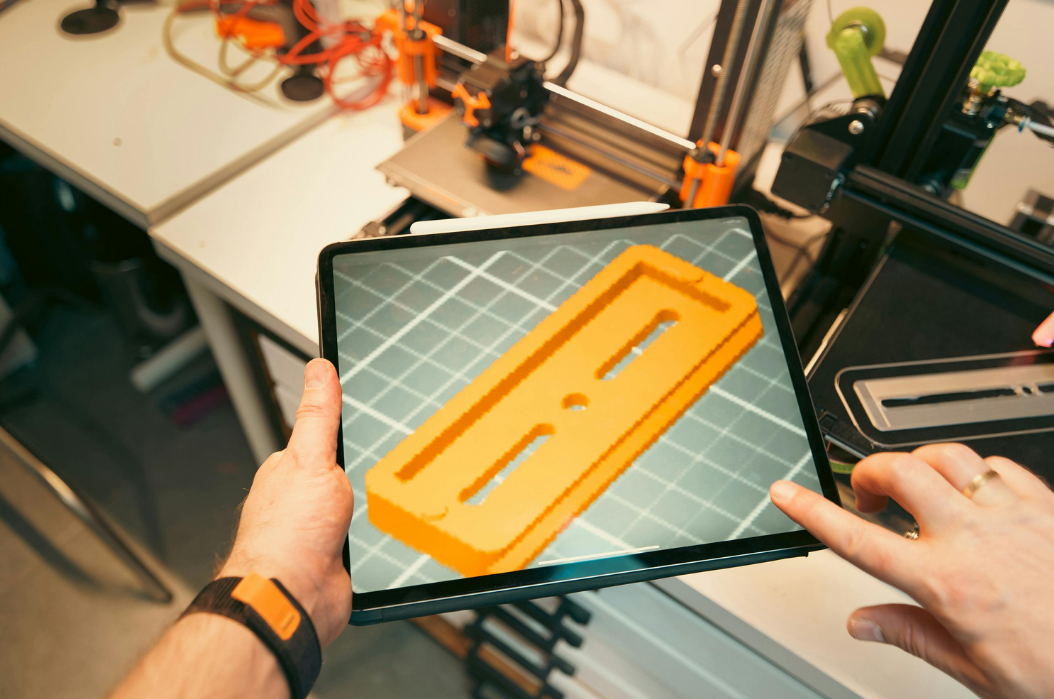
Every engineer has experienced the frustration: a CAD model looks flawless on screen, but the physical part arrives warped, brittle, or filled with trapped supports.
The reality is that a digital model represents only about 80% of a successful part. The “Hidden 20%” lies in the nuances of the manufacturing process. At Tronix3D, our Design for Additive Manufacturing (DfAM) review uncovers these variables before the first layer is printed.
The Gap Between “Printable” and “Producible”
Automated software checks can tell you if a file is manifold, but they can’t predict how the physics of a build chamber will affect performance. Our engineers look for the technical nuances that software misses:
- Anisotropic Stress: 3D prints are typically stronger in the X and Y planes than the Z-axis. If high shear loads align with your layer lines, the part is prone to failure. We optimize build orientation to match your part’s real-world physics.
- Thermal Mass & Cooling: Inconsistent wall thicknesses in processes like HP MJF or FDM lead to uneven cooling, causing internal stress and warping. We identify these “heat sinks” to ensure dimensional accuracy.
- The Support Trap: Internal lattices or cavities can trap support structures forever, adding dead weight and creating a risk of internal debris. We help you design around these constraints to ensure a clean, functional part.
Engineering Partnership
The most expensive part you’ll ever buy is the one that doesn’t work. Tronix3D isn’t just a print service; we are an engineering partner.
Our process begins with early design engagement. We consult on the application, whether it’s high-vibration aerospace mounts or fuel-resistant manifolds, to adjust the design for the real world. A brief technical deep dive often results in minor adjustments, such as adding fillets for stress distribution or pivoting to a different material, that significantly impact project success.
Moving Beyond the Prototype
Accounting for thermal properties and post-processing requirements is what turns a “3D print” into a qualified industrial component. By catching friction points early, we eliminate the “print, fail, redesign” cycle.
We ensure that when your parts arrive at your facility, they are ready for immediate mission-critical integration.
Is your CAD file truly ready for the real world?
Talk to our engineers. Let’s review your mission-critical designs. We can walk you through our DfAM process to help ensure your files are optimized for production-grade polymers or titanium.
Explore our full range of engineering-driven services at tronix3d.com.
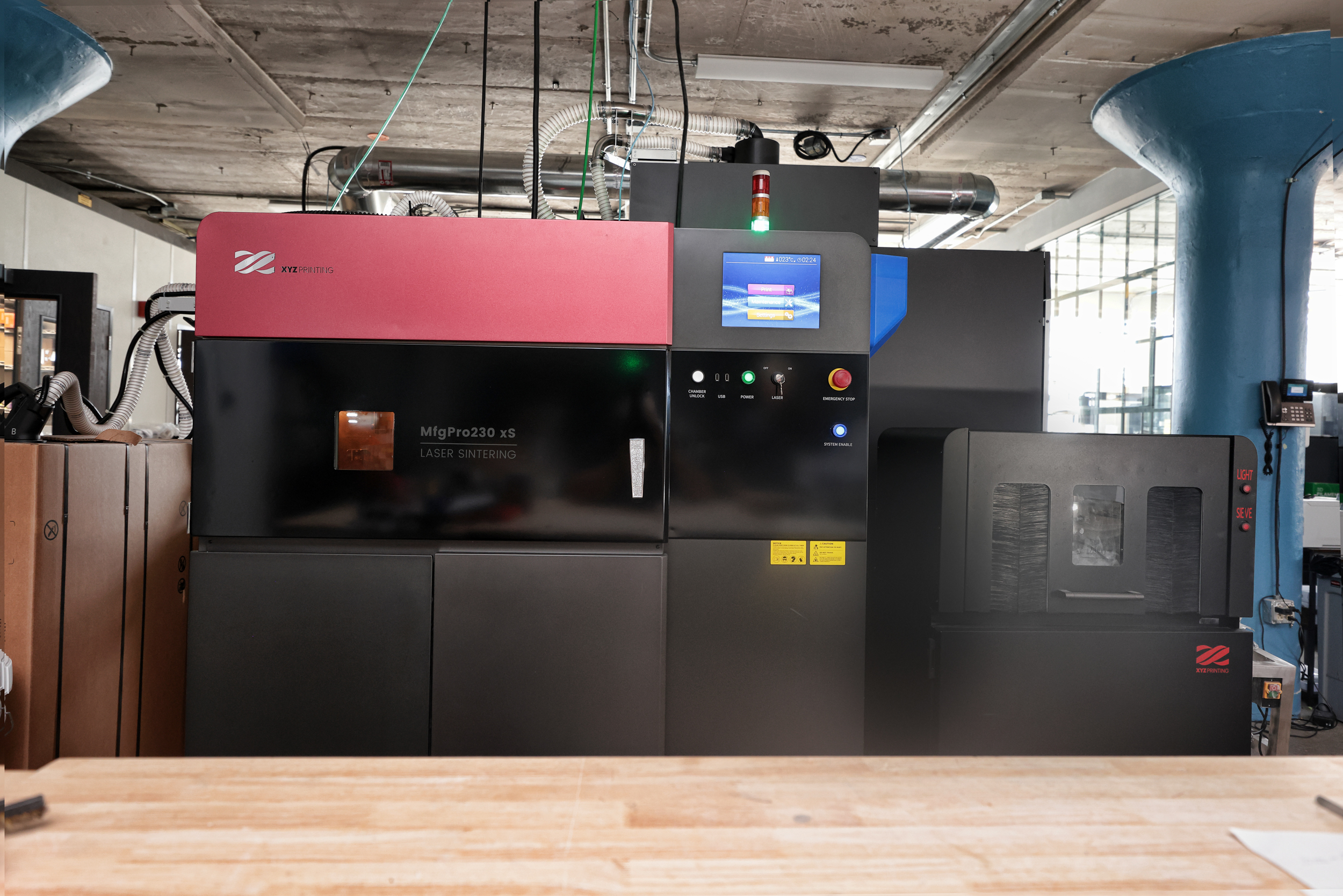
For decades, titanium has been the “holy grail” of industrial materials. Known for its incredible strength-to-weight ratio, corrosion resistance, and biocompatibility, titanium (specifically the Ti6Al4V alloy) is the gold standard for aerospace, defense, and medical applications. However, until recently, producing titanium parts via additive manufacturing was a luxury reserved for high-budget, “blank-check” aerospace programs. The high cost of Laser Powder Bed Fusion (LPBF) systems and the intense facility requirements made it inaccessible for the broader market.
What is Cold Metal Fusion (CMF)?
To understand why CMF is important, we have to look at how it differs from traditional metal 3D printing. Most people are familiar with Direct Metal Laser Sintering (DMLS), which uses high-powered lasers to melt metal powder layer by layer. While effective, DMLS requires specialized gas environments, intense safety protocols, and a massive capital investment.
Cold Metal Fusion takes a different approach. It is a process that effectively “borrows” the workflow of Selective Laser Sintering (SLS) but applies it to metal.
The Process: From Green to Silver
The CMF workflow involves a specially engineered feedstock consisting of metal powder (like Ti6Al4V) encapsulated in a polymer binder.
- The Build: The part is printed on a standard, industrial-grade sintering system at relatively low temperatures (hence “Cold” Metal Fusion). This creates what we call a “Green Part”, a component that has the shape of the final product but is held together by the polymer binder.
- Debinding: The Green Part undergoes a chemical or thermal process to remove the polymer binder, leaving behind a porous “Brown Part.”
- Sintering: Finally, the Brown Part is placed in a high-temperature vacuum furnace. The metal particles fuse together, resulting in a fully dense, high-performance titanium component.
This decoupled process, separating the “printing” from the “metallurgy”, is what makes the technology so scalable and cost-effective compared to traditional laser-based systems.
Titanium (Ti6Al4V): The Mission-Critical Standard
Titanium Grade 5 (Ti6Al4V) is the most widely used titanium alloy for a reason. It offers a unique combination of mechanical properties that few other materials can match:
- High Specific Strength: It is significantly lighter than steel but just as strong, making it indispensable for weight-sensitive aerospace and robotics applications.
- Corrosion Resistance: It forms a stable, protective oxide layer, making it immune to many acids and saltwater environments.
- Fracture Toughness: Unlike some high-strength polymers, titanium can withstand extreme mechanical stresses and thermal cycles without cracking.
By making this material accessible through CMF, Tronix3D is helping engineers move beyond “low-performance” plastic prototypes and straight into end-use metal hardware.
The Surge of Generative Titanium Design
The true power of 3D printing titanium isn’t just making a part you could have machined; it is making a part that is impossible to machine. This has led to a surge in Generative Design.
Generative design uses AI algorithms to optimize a part’s geometry based on specific constraints: weight, stress loads, and attachment points. The result is often an “organic” or “bionic” look, characterized by complex lattice structures and hollow internal channels.
Lattices and Weight Optimization
In aerospace and defense, every gram counts. Generative design allows us to “lattice” the interior of a titanium bracket. Instead of a solid block of metal, the algorithm creates a complex web of struts that provide strength only where the stress is actually applied.
Thermal Management
One of the most exciting applications of Generative Titanium Design is in heat exchange. Because CMF can print complex internal channels, engineers can design heat sinks and fluid manifolds that follow the organic contours of an engine or an electronics housing. These “conformal” channels provide far superior cooling efficiency compared to straight-line holes drilled by a CNC mill.
Industry Applications for CMF Titanium
Because Cold Metal Fusion bridges the gap between prototyping and mass production, we are seeing adoption across several key sectors:
1. Aerospace and Defense
In the defense sector, the need for “Just-in-Time” spare parts for legacy aircraft is a major pain point. CMF allows for the rapid production of flight-ready titanium components without the need for expensive forging or casting dies. From drone frames to sensor mounts, titanium CMF provides the durability needed for the battlefield.
2. Robotics and Automation
Robotic arms require low inertia to move quickly and accurately. By using generatively designed titanium parts, robotics companies can reduce the weight of end-of-arm tooling while maintaining the stiffness required to handle heavy loads.
3. Energy and Chemical Processing
In the oil and gas industry, components are often exposed to highly corrosive fluids at high temperatures. Titanium CMF valves and connectors provide a long-lasting solution that reduces maintenance intervals and prevents catastrophic leaks.
The Economic Shift: From Prototyping to Production
The most significant change brought by Cold Metal Fusion is the Cost Per Part. With traditional DMLS, the costs were so high that the technology was only used when there was literally no other way to make the part. With CMF, the economics shift. Because the printing happens on standard industrial hardware and multiple parts can be sintered in a single furnace batch, the cost of titanium production has dropped significantly.
This makes it viable for low-to-mid volume production. A company that needs 50 or 500 titanium brackets no longer has to choose between a $50,000 CNC bill or an $80,000 DMLS quote. CMF offers a middle path that provides high-performance metal at a production-friendly price point.
DfAM: Engineering for the CMF Workflow
Success with Cold Metal Fusion requires a specialized approach to Design for Additive Manufacturing (DfAM). Because the part undergoes a sintering process where it shrinks by a predictable percentage (typically around 15-20%), the engineering must be precise.
At Tronix3D, our engineers work closely with clients to:
- Compensate for Shrinkage: Scaling the digital model to ensure the final, sintered part meets exact tolerances.
- Optimize Support Structures: Ensuring the Green Part remains stable during the printing phase.
- Material Selection: Confirming that Ti6Al4V is the optimal choice for the specific thermal and mechanical loads of the application.
2026 and Beyond: The Future of Titanium
The rivalry between additive and subtractive manufacturing is over. We now live in a world of Hybrid Workflows, where CMF is used to create the complex, near-net shape of a titanium part, and CNC milling is used only to finish the most critical mating surfaces.
Cold Metal Fusion has successfully democratized one of the world’s most advanced materials. Titanium is no longer an “exclusive” material; it is a tool in the toolbox of every engineer who needs reliability, performance, and weight reduction.
Partner with Tronix3D for Metal Additive Excellence
At Tronix3D, we pride ourselves on being more than just a print service. We are an engineering partner located in the heart of Pittsburgh’s manufacturing corridor. Our expertise in Cold Metal Fusion and DfAM allows us to help your team move from a concept to a mission-critical titanium part in record time. Get in touch today to find the right solution for your project.