SLA PRINTING

Smooth-surfaced, fine-featured parts perfect for prototypes and end use.

High-Resolution Prototypes, Made Easy

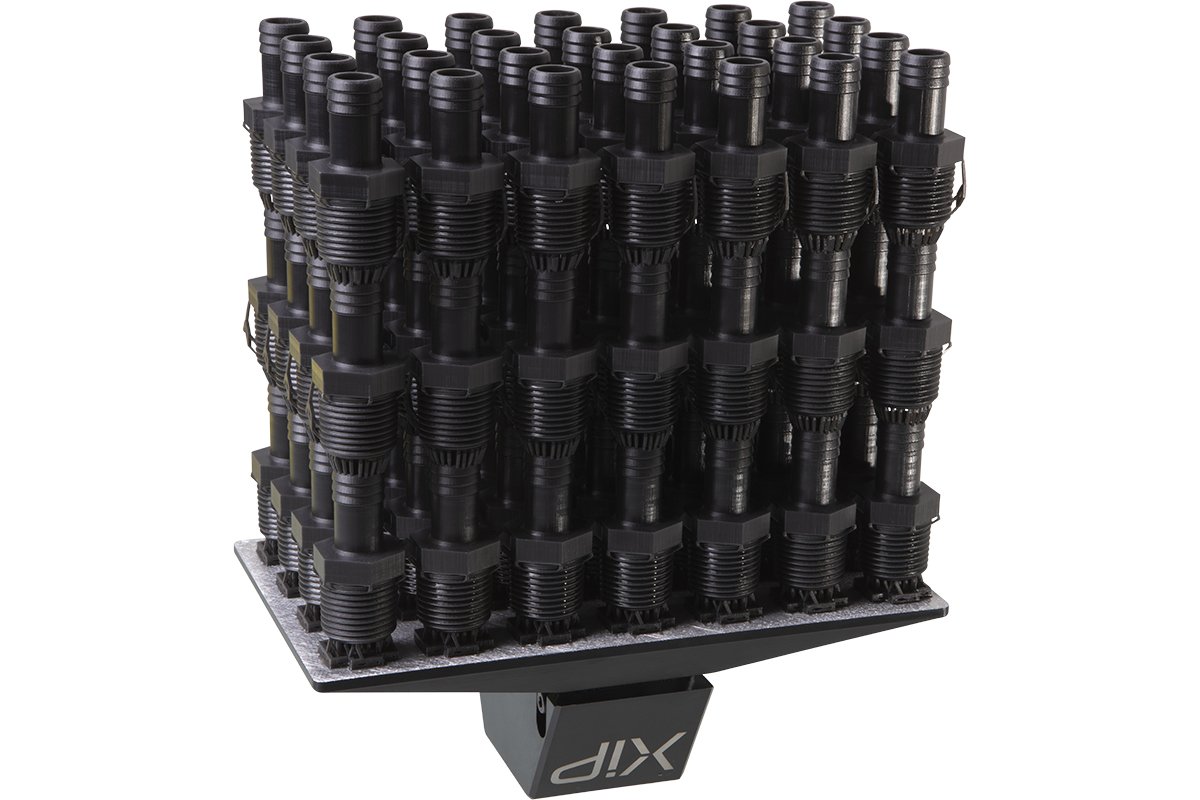
mSLA (Masked Stereolithography) is the go-to process when you need fine detail, clean surface finish, and precision fit—especially for early-stage prototypes or master models. By curing liquid resin layer by layer with a high-resolution LCD screen, mSLA produces crisp features and smooth surfaces unmatched by filament-based processes.

At Tronix3D, we use mSLA to help engineers quickly validate designs, test assemblies, and create customer-ready parts that look and feel like finished products. Whether you’re building proof-of-concept housings, fit-check models, or silicone mold masters, our mSLA workflow delivers speed, accuracy, and polish without compromise.
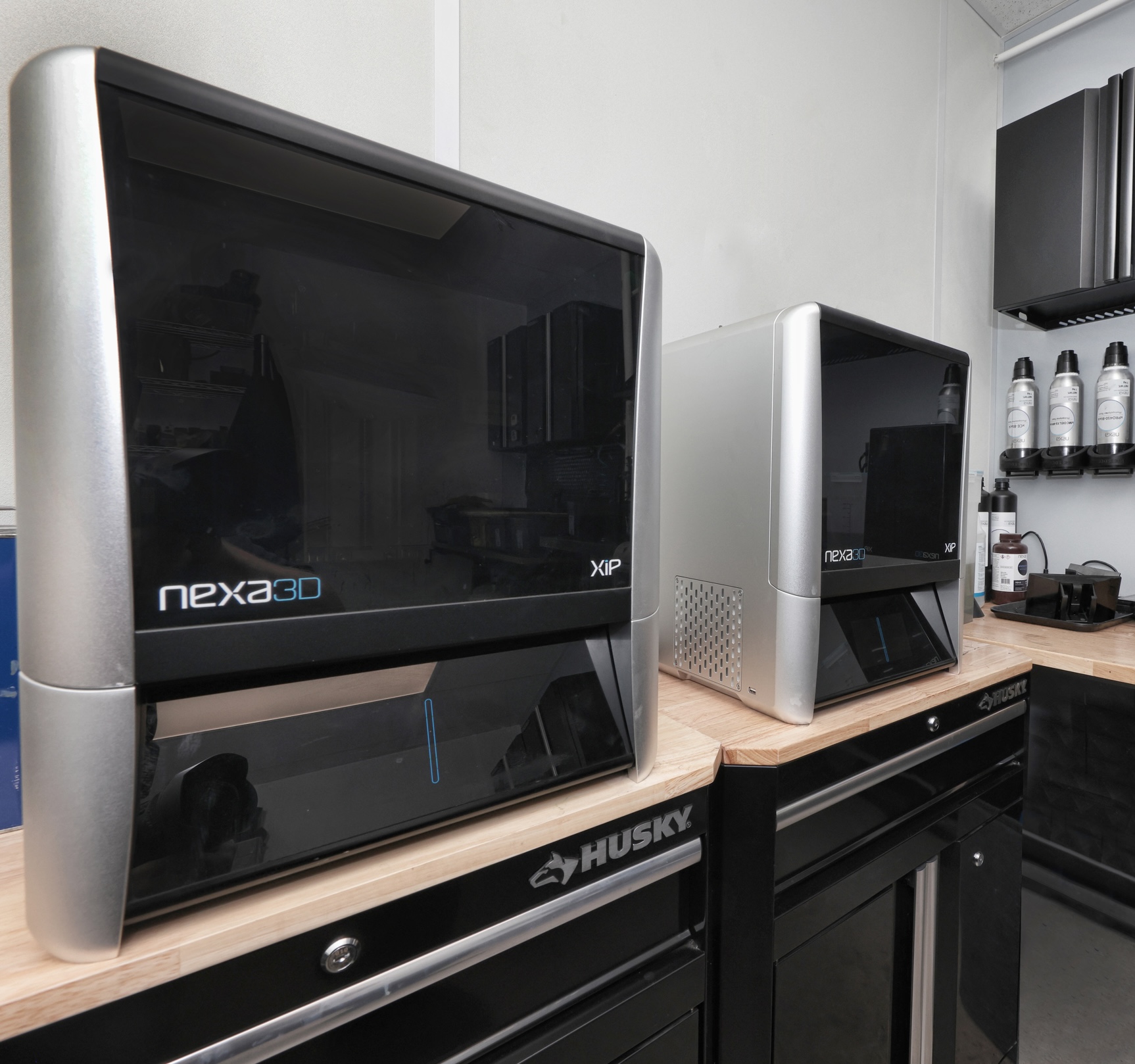
How Does mSLA 3D Printing Work?

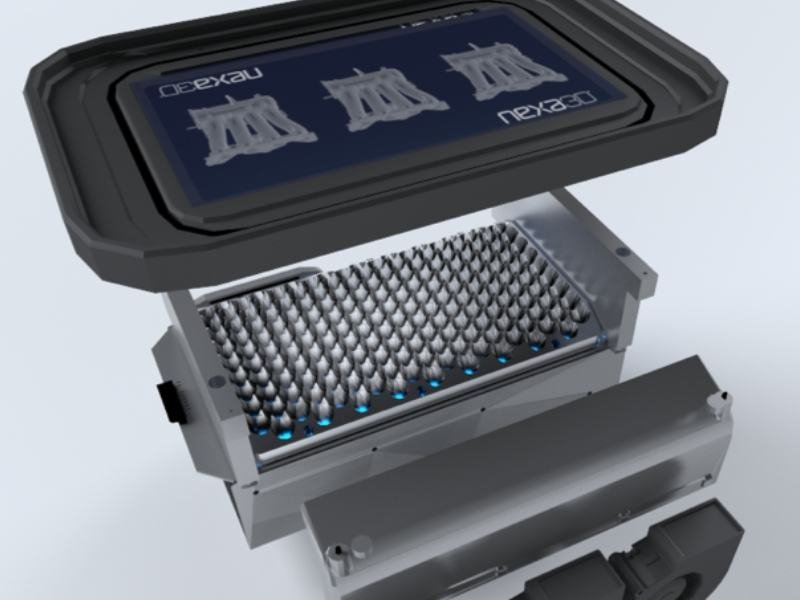
mSLA (Masked Stereolithography) is a resin-based printing process that builds parts one layer at a time by selectively curing photopolymer resin with an LCD light mask. Each layer is exposed and hardened in a single pass, delivering exceptional speed and detail.

Because the process uses a solid-state light source and high-resolution LCD screen, it achieves sharp edges, tight tolerances, and smooth surfaces without visible layer lines. This makes mSLA ideal for creating small, intricate parts where dimensional accuracy and cosmetic quality matter most.

At Tronix3D, we leverage mSLA for its repeatability and reliability, supporting engineers through early-stage development with parts that mirror the final look and feel—without the cost or lead time of traditional machining or injection molding.

Photo Credit: Nexa3D

Benefits of mSLA vs. Other 3D Printing Methods

mSLA stands out for its ability to deliver finely detailed, high-resolution parts with excellent surface finish—making it a top choice for engineers who need precision without compromise.

Compared to FDM:

Compared to SLS or MJF:

Why Engineers Choose mSLA

Whether you’re refining a complex enclosure or validating a snap-fit assembly, mSLA helps engineers move from CAD to physical part with speed and clarity.

Materials Available for mSLA

At Tronix3D, we stock a curated selection of production-grade photopolymer resins that deliver exceptional surface finish, dimensional precision, and functional durability. These resins support a wide range of prototyping and product development needs from form-fit models to mechanical testing.

Photo Credit: Nexa3D

More specialty resins are available upon request to match project-specific needs.

xPRO410

General-purpose engineering resin with high stiffness, accuracy, and thermal stability.

Ideal for: Presentation models, housings, and functional prototypes.

xABS3843

Tough, impact-resistant resin that simulates ABS. Excellent for mechanical testing and snap-fit components.

Perfect for: Assembly validation, jigs, and fixtures.

xPEEK147

High-performance resin with elevated thermal resistance and mechanical strength.

Great for: Simulating PEEK-like applications and parts exposed to heat or load.

x45-Clear

Optical-grade resin offering high clarity and polishable transparency.

Used for: Fluidics, lens covers, and visual design reviews.

Why it Matters

Best Applications for mSLA

mSLA printing is trusted for parts that require exceptional surface quality, small feature precision, or accurate fit. It's ideal for engineers looking to validate geometry, design intent, or user experience early in development without tooling delays or post-processing complexity.

Top Applications Include:

Whether you’re dialing in a snap fit, showing off a polished prototype, or preparing parts for downstream casting, mSLA delivers detail and consistency engineers can trust.

Subscribe to our Weekly Newsletter

Stay ahead in industrial 3D printing, subscribe to the Tronix3D newsletter for cutting-edge breakthroughs, operational best practices, and exclusive opportunities.