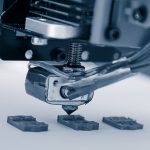
The Internet of Things (IoT) and modern electronics are evolving at breakneck speed. Engineers are under pressure to deliver smaller, smarter, and more reliable devices, often with rapid iteration cycles and specialized requirements for housings, sensors, and wearable components. Additive manufacturing (AM) is becoming a critical enabler, bridging the gap between prototype and production while supporting the unique demands of connected technology.
At Tronix3D, we help IoT developers and electronics manufacturers accelerate innovation with functional prototypes and short-run production tailored to real-world applications.
Why Additive Manufacturing Fits IoT and Electronics
Unlike traditional manufacturing, additive workflows eliminate tooling constraints and allow for highly customized, compact designs. This makes AM ideal for producing device enclosures, sensor housings, and wearable components that need to be lightweight, durable, and optimized for assembly.
Key advantages include:
- Rapid prototyping: Test enclosures and assemblies in days, not weeks.
- Customization at scale: Tailor designs for specific sensors, boards, or connectors without high upfront tooling costs.
- Integrated functionality: Build waterproofing, dustproofing, and ESD protection into the enclosure itself.
Material flexibility: Access engineering-grade polymers with flame-retardant, conductive, or flexible properties.
Applications Across IoT and Electronics
Custom Enclosures and Housings
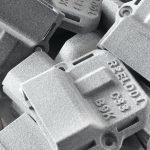
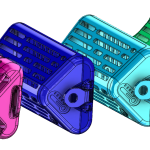
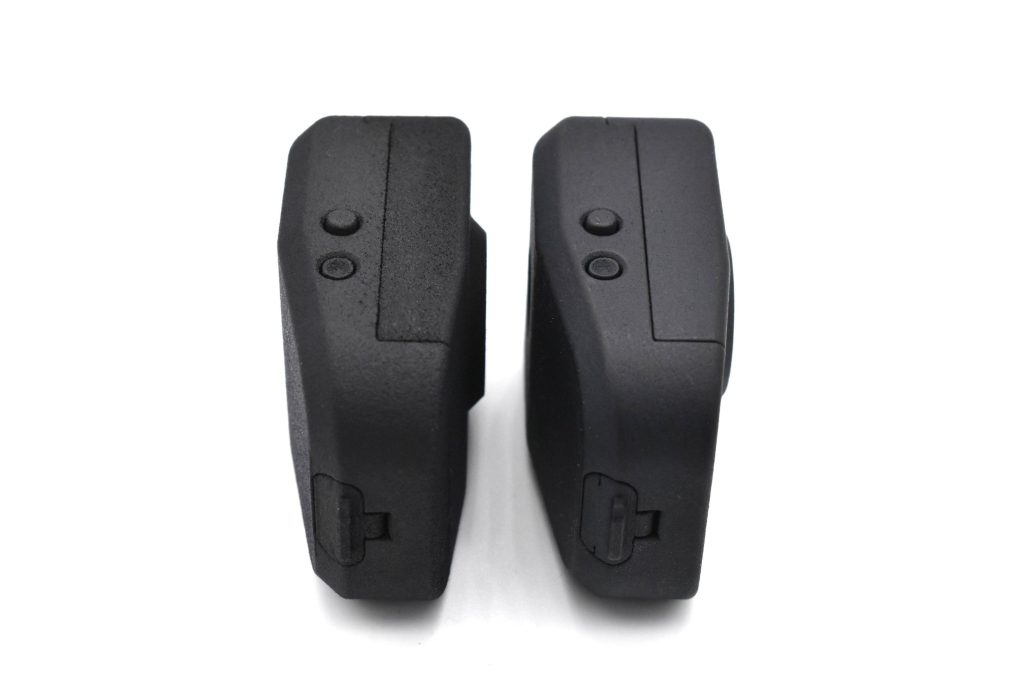
3D printing enables wearable technology housings, sensor cases, and protective shells with complex geometries that would be difficult or costly to mold. This ensures a snug fit for electronics while supporting sleek, consumer-ready designs.
Sensor Integration
IoT devices depend on precision sensor placement. Additive manufacturing supports custom brackets, manifolds, and chambers that allow engineers to optimize airflow, fluid movement, or signal exposure.
Wearable Devices
From medical monitors to fitness trackers, wearable technology requires ergonomic, lightweight, and durable components. AM enables design freedom while providing biocompatible and skin-safe materials.
Prototyping Compact Assemblies
Engineers can validate fit, function, and durability quickly by prototyping full assemblies with multiple material types, such as flexible TPU for gaskets and rigid PC-ABS for housings.
Materials That Make It Possible
Tronix3D offers a wide range of materials designed to meet the technical demands of IoT and electronics:
- ABS-ESD7 – Prevents static discharge, ideal for electronic housings.
- PC-ABS – Strong, heat-resistant, and impact-tough for durable enclosures.
- TPU – Flexible, resilient, and perfect for wearable straps, seals, and gaskets.
- FR-rated materials – Flame-retardant options for safety-critical applications.
- Conductive filaments – Enable functional prototypes that simulate circuit paths.
Environmental and Economic Advantages
Additive manufacturing also contributes to sustainability and efficiency:
- Reduced material waste compared to machining or injection molding.
- On-demand production minimizes excess inventory and warehousing costs.
- Faster development cycles mean lower R&D costs and shorter time-to-market.
Conclusion
As IoT and electronics continue to shape the way we live and work, additive manufacturing provides the flexibility, speed, and precision engineers need to stay ahead. From functional prototypes to production-ready enclosures, AM supports the rapid development of devices that are smaller, smarter, and more reliable.
Ready to accelerate your IoT and electronics projects?
Partner with Tronix3D to design, prototype, and produce components that bring your devices to life. Contact us today to start your next project.