Global supply chains are under more pressure than ever. From geopolitical instability and transportation delays to raw material shortages, manufacturers face mounting challenges in getting the parts they need, when they need them. To stay competitive, industries are turning to localized manufacturing powered by additive technologies.
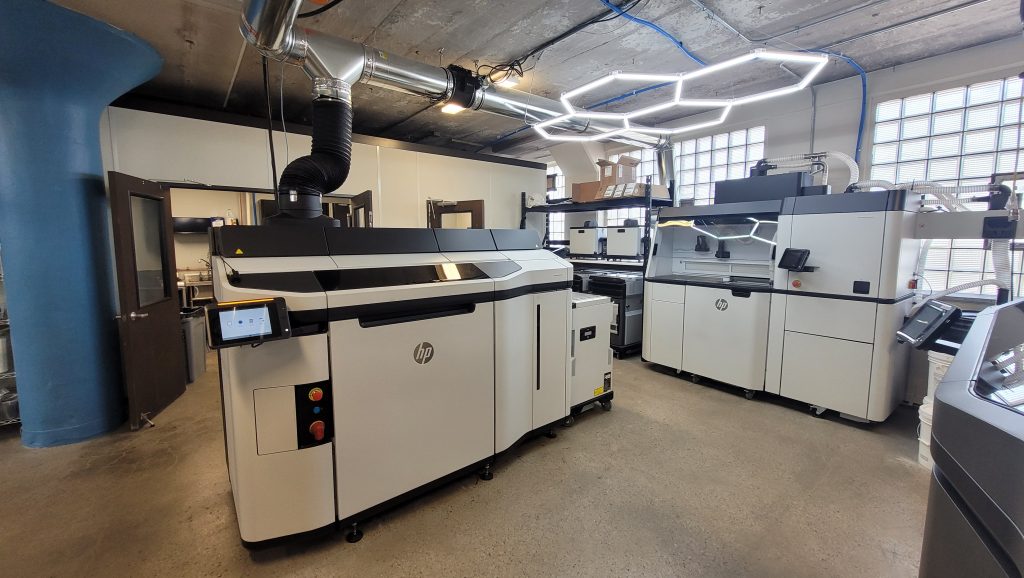
3D printing allows companies to produce parts closer to the point of use, reducing reliance on overseas suppliers, shortening lead times, and cutting costs tied to inventory and logistics. At Tronix3D, we see this shift reshaping not just aerospace and defense, but also medical, robotics, automotive, and industrial manufacturing.
The Case for Localized Manufacturing
Traditional supply chains often involve long transit times, large batch orders, and the risk of disruption. Additive manufacturing changes that model:
- On-demand production eliminates the need to stockpile spare parts.
- Rapid prototyping and iteration speed up development cycles.
- Short-run production supports customization without the cost of tooling.
This flexibility means manufacturers can react faster to demand spikes, regulatory changes, or field-level needs.
Industry Examples
Aerospace and Defense
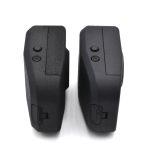
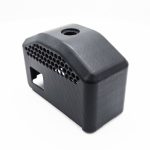
For mission-critical operations, localized AM supports field-deployable parts and reduces dependence on overseas suppliers. Rugged enclosures, UAV components, and spare parts can be produced closer to deployment sites, ensuring readiness without long waits.
Medical and Healthcare
Hospitals and medical device manufacturers rely on custom fixtures, surgical tools, and patient-specific devices. Additive manufacturing enables local production that meets biocompatibility requirements, minimizing supply risks for critical equipment.
Robotics and Automation
Robotics developers often need custom brackets, sensor housings, and structural frames in small volumes. Localized AM enables quick iteration and low-volume production, keeping projects on schedule while reducing supply chain bottlenecks.
Automotive and Industrial Manufacturing
From functional prototypes to replacement tooling and jigs, manufacturers benefit from printing parts in-house or through regional service providers. This not only reduces downtime but also lowers costs tied to storing and shipping spare parts.
Environmental and Economic Advantages
Localized additive manufacturing is also a sustainability play:
- Reduced shipping emissions by eliminating overseas transit.
- Lower material waste compared to traditional machining.
- Efficient batch optimization that cuts energy usage per part.
Economically, companies save by reducing inventory costs, avoiding supply shortages, and getting products to market faster.
Conclusion
As industries adapt to an increasingly uncertain global landscape, localized manufacturing with additive technologies offers a clear path forward. By producing parts closer to the point of use, companies gain speed, resilience, and cost savings while reducing their environmental impact.
Ready to localize your supply chain?
Tronix3D helps companies across aerospace, defense, medical, robotics, and manufacturing accelerate innovation and secure supply chains through on-demand additive production. Contact us today to discuss your next project.