

Just-in-time manufacturing (jit)
Produce components exactly when needed, reducing the need for large inventories and storage costs while maintaining the ability to meet sudden spikes in demand.
Benefits of JIT:
Just-in-time (JIT) manufacturing is a production strategy aimed at reducing inventory and improving efficiency by receiving goods only as they are needed in the production process. The core principles of JIT include:
- Demand-driven production: Items are produced based on customer demand rather than forecasting, ensuring that production aligns closely with actual sales.
- Minimized inventory: Raw materials, components, and finished goods are kept at minimal levels, reducing storage costs and waste.
- Continuous improvement: Processes are continually analyzed and improved to eliminate inefficiencies, enhance quality, and reduce lead times.
- Supplier relationships: Strong relationships with suppliers ensure timely delivery of quality materials, supporting the smooth operation of JIT.
- Employee involvement: Workers are trained to identify and solve problems, fostering a culture of teamwork and continuous improvement.
By synchronizing production schedules with customer orders and maintaining a lean inventory,
JIT manufacturing helps companies reduce costs, improve quality, and respond quickly to market changes.
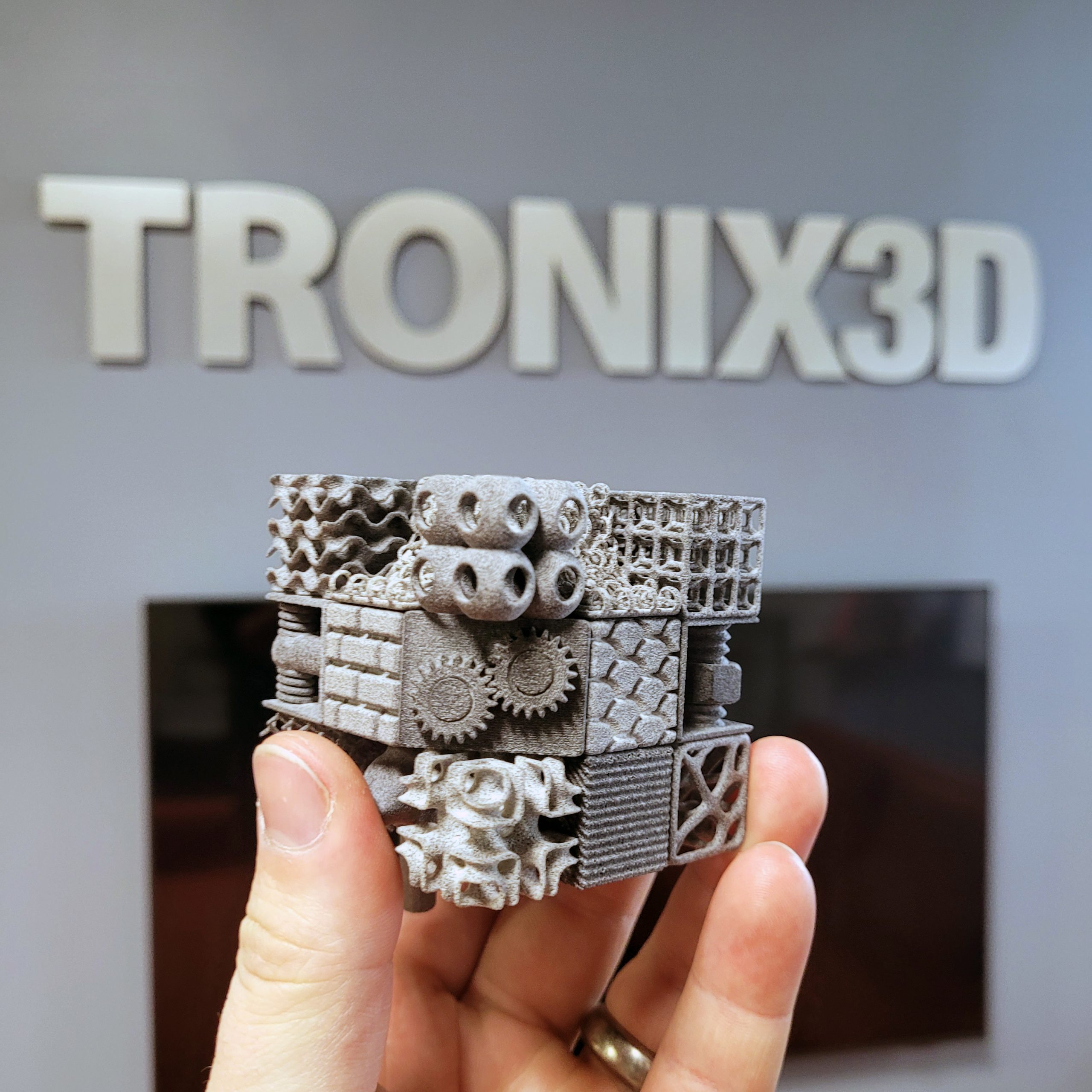
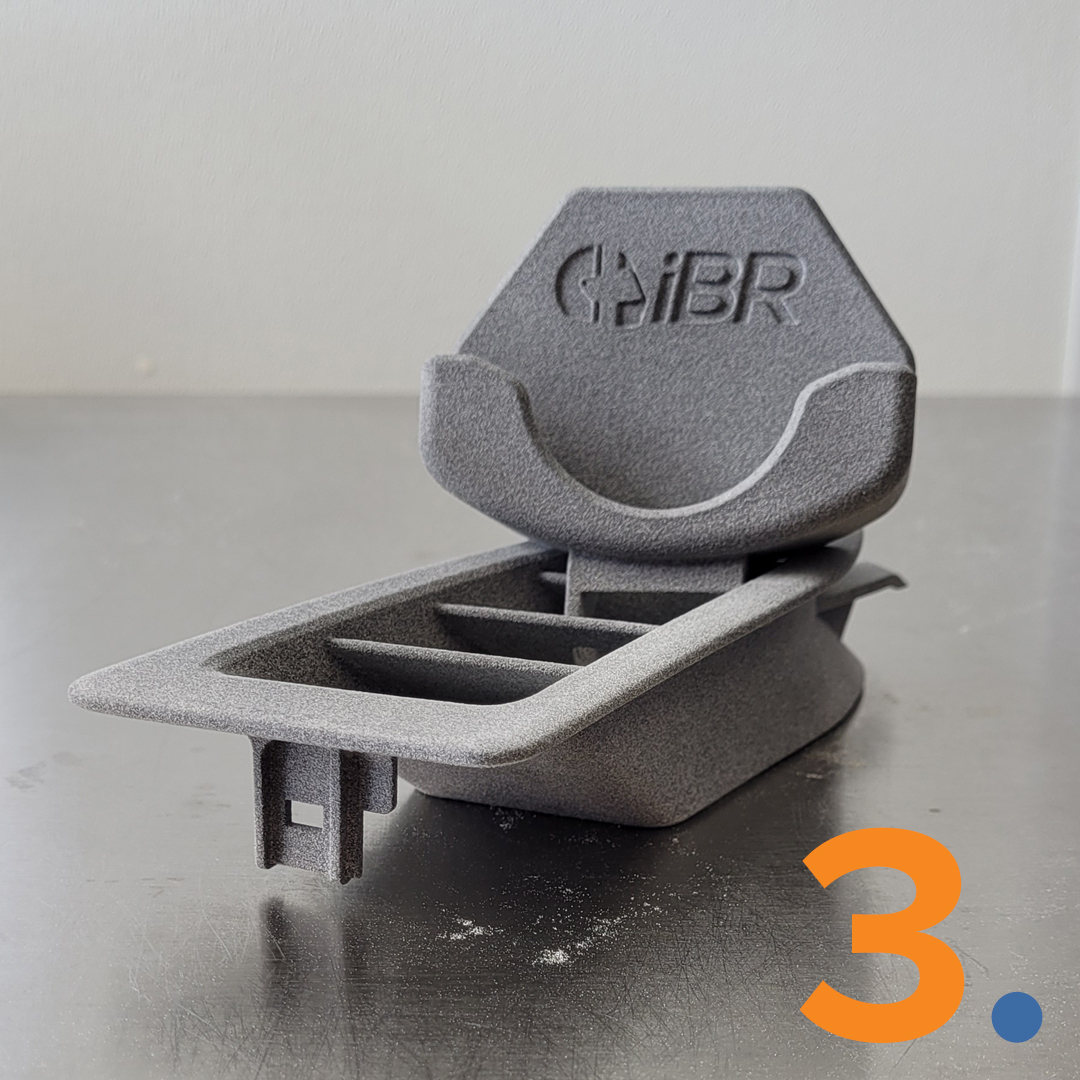
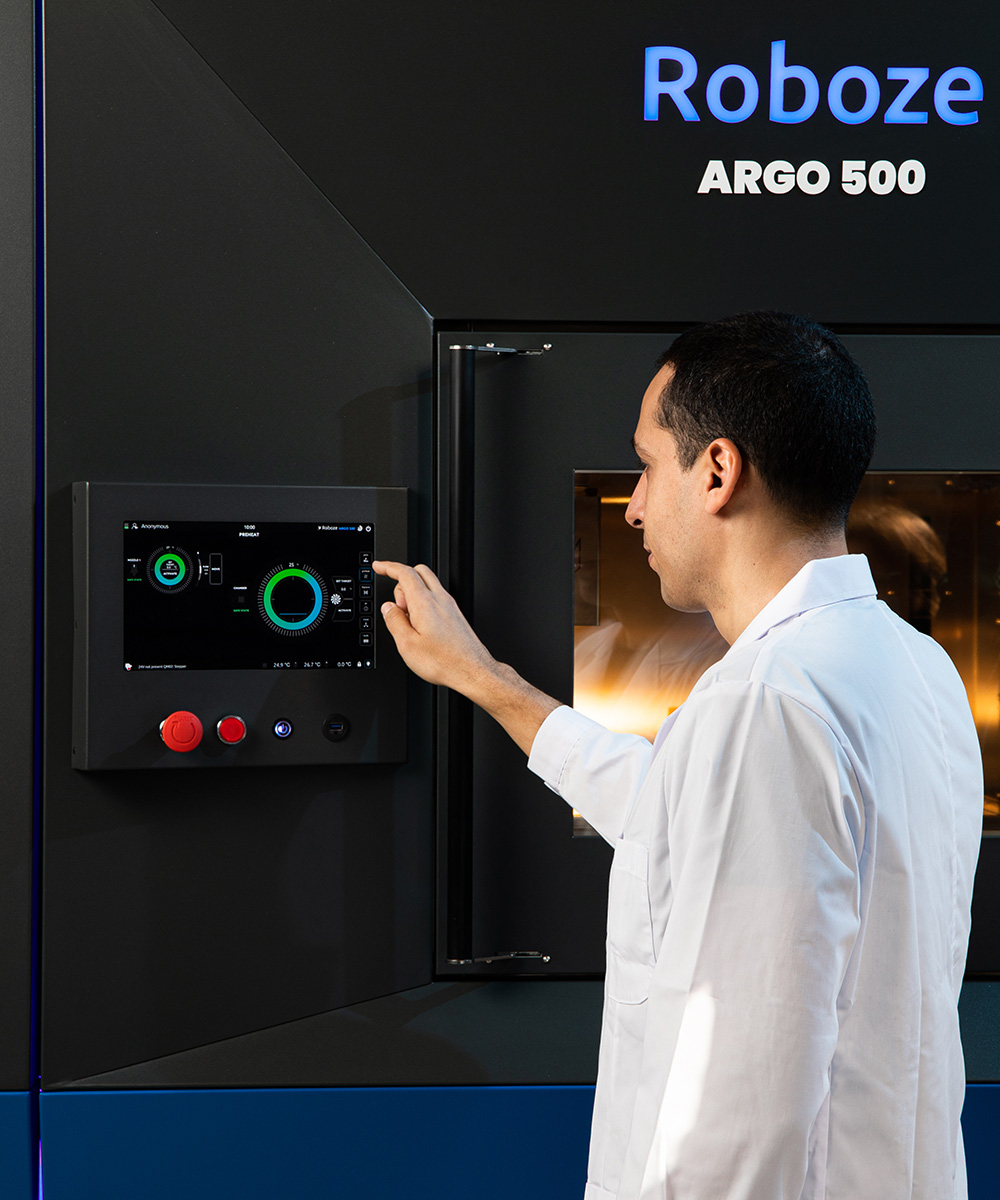
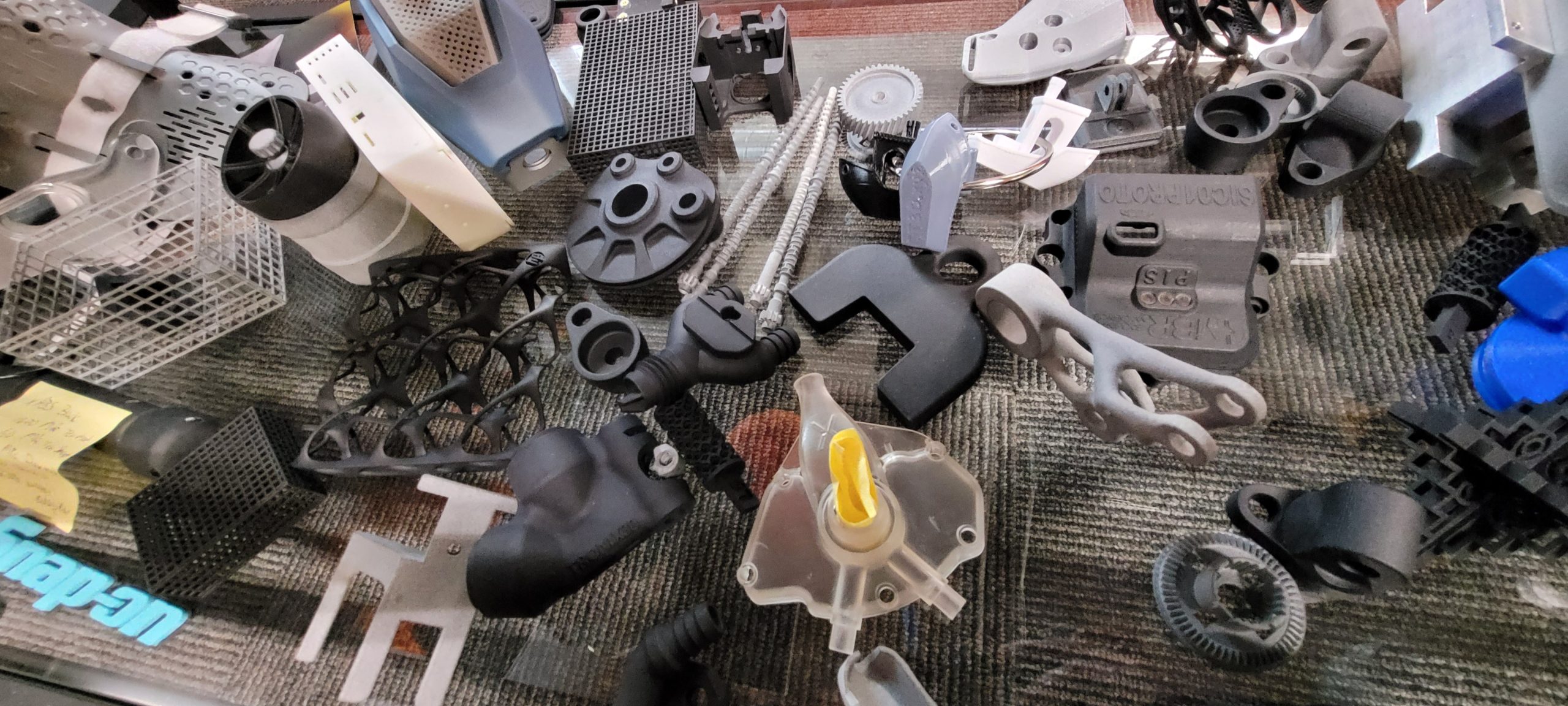
Implement JIT manufacturing strategy with 3D printing solutions. Produce components exactly when needed, reducing the need for large inventories and storage costs while maintaining the ability to meet sudden spikes in demand.
Why Choose Tronix3D forJust-in-Time Manufacturing?
Meeting demand without overstocking is critical for modern manufacturers. Tronix3D’s 3D printing solutions align perfectly with Just-in-Time strategies — enabling on-demand production, cutting storage costs, and giving your business the agility to adapt to fast-changing market needs.
- Produce Parts Only as Needed to Reduce Inventory and Waste
- Improve Production Agility with Rapid, On-Demand 3D Printing
- Strengthen Supply Chain Resilience by Minimizing Lead Times