

Accelerate Prototyping and Speed Up Time-to-Market with 3D Printing
Accelerate your journey from concept to commercialization and achieve a competitive advantage. Traditional prototyping methods often involve long lead times, high costs, and multiple iterations, delaying your product launch. Our cutting-edge 3D printing solutions offer a game-changing approach to prototyping, enabling you to save time, reduce costs, and bring your products to market faster than ever before.
Benefits of 3D Printing for Prototyping
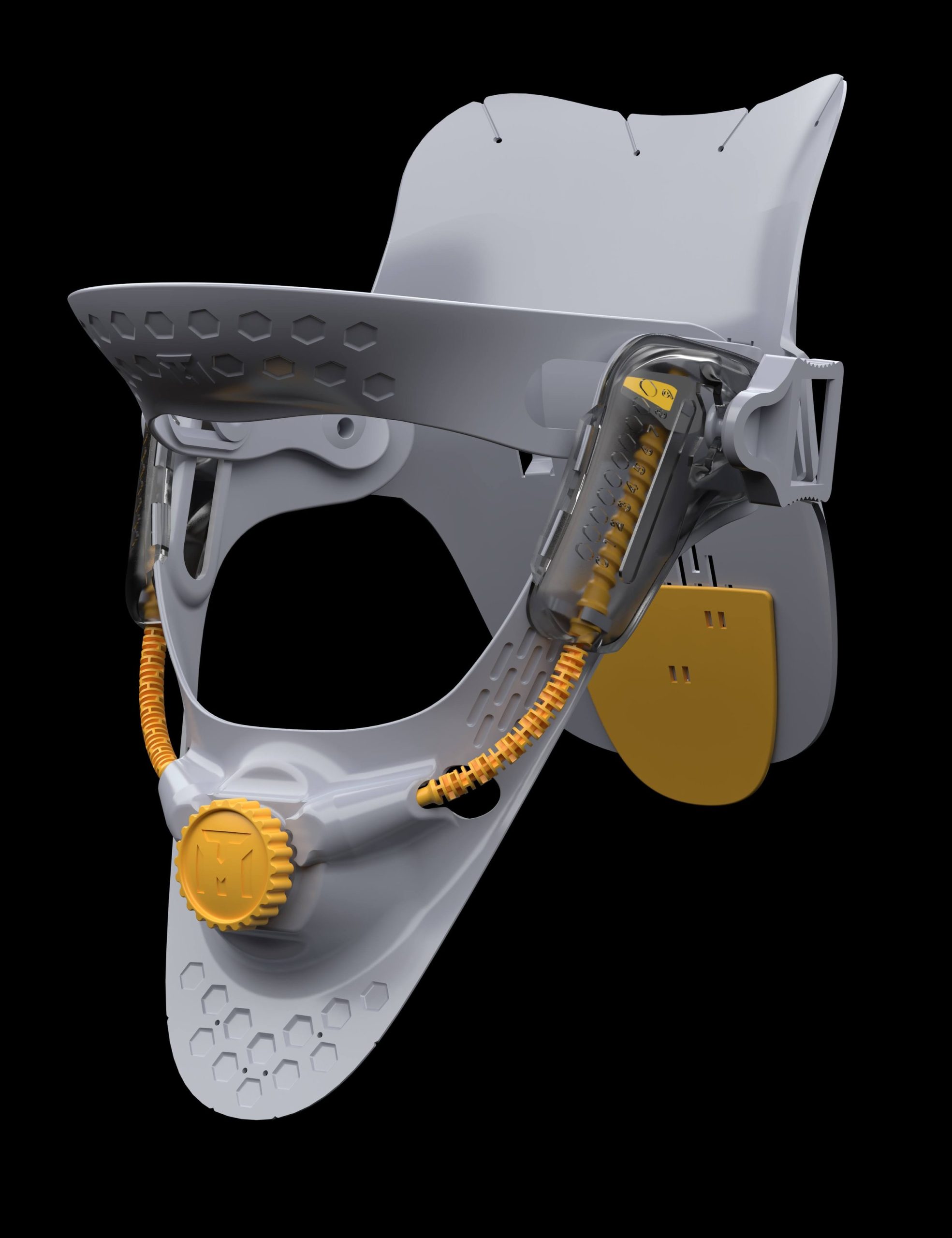
- Rapid Iteration – 3D printing dramatically shortens the prototyping cycle. With our advanced 3D printers, you can quickly create and test multiple iterations of your design. This rapid iteration process allows you to refine your product based on real-time feedback, ensuring it meets your specifications and market needs.
- Cost-Effective Development – Traditional prototyping methods often require expensive molds and tooling. 3D printing eliminates these costs by enabling direct production from digital models. This not only reduces the financial burden of creating prototypes but also allows for more experimentation and innovation without breaking the bank.
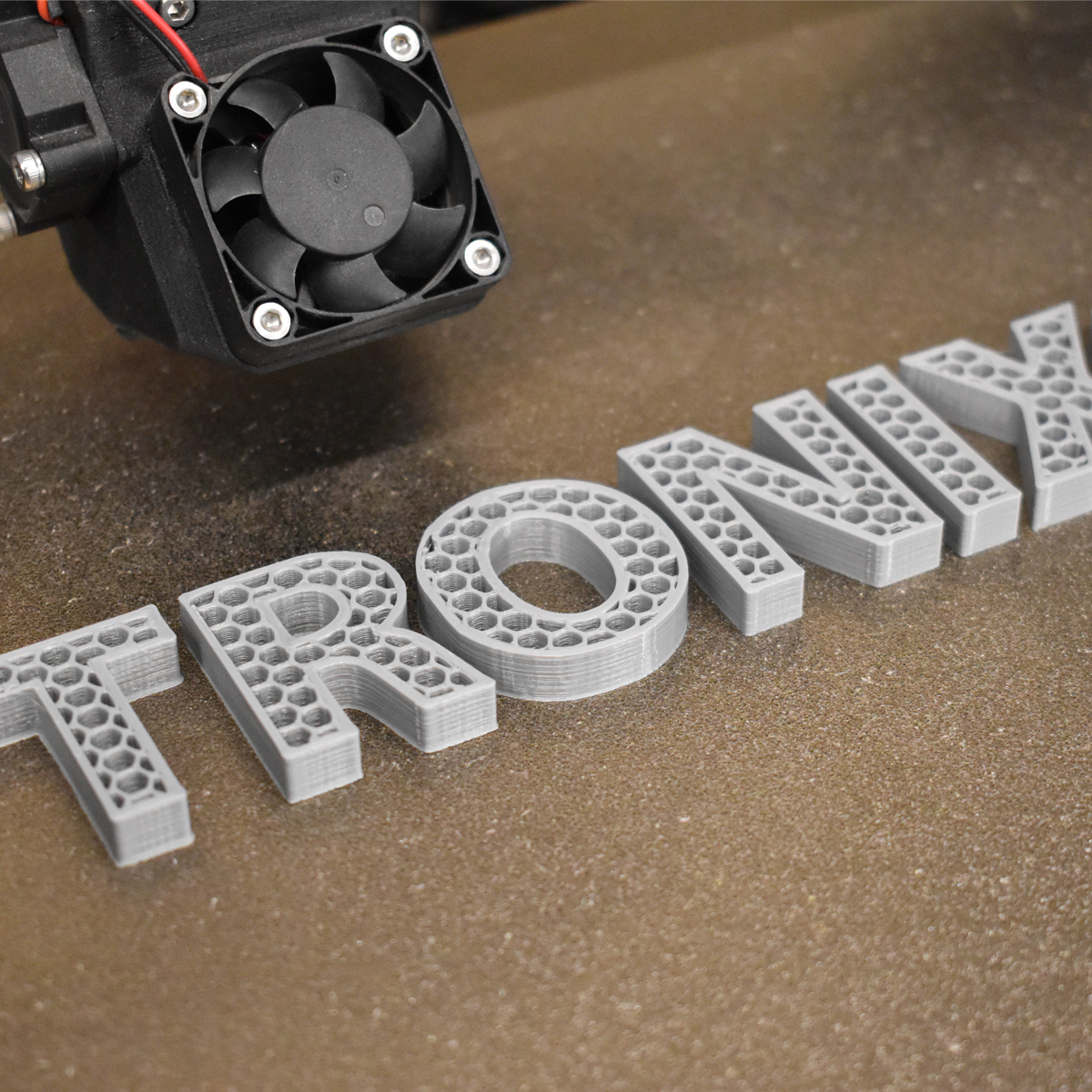
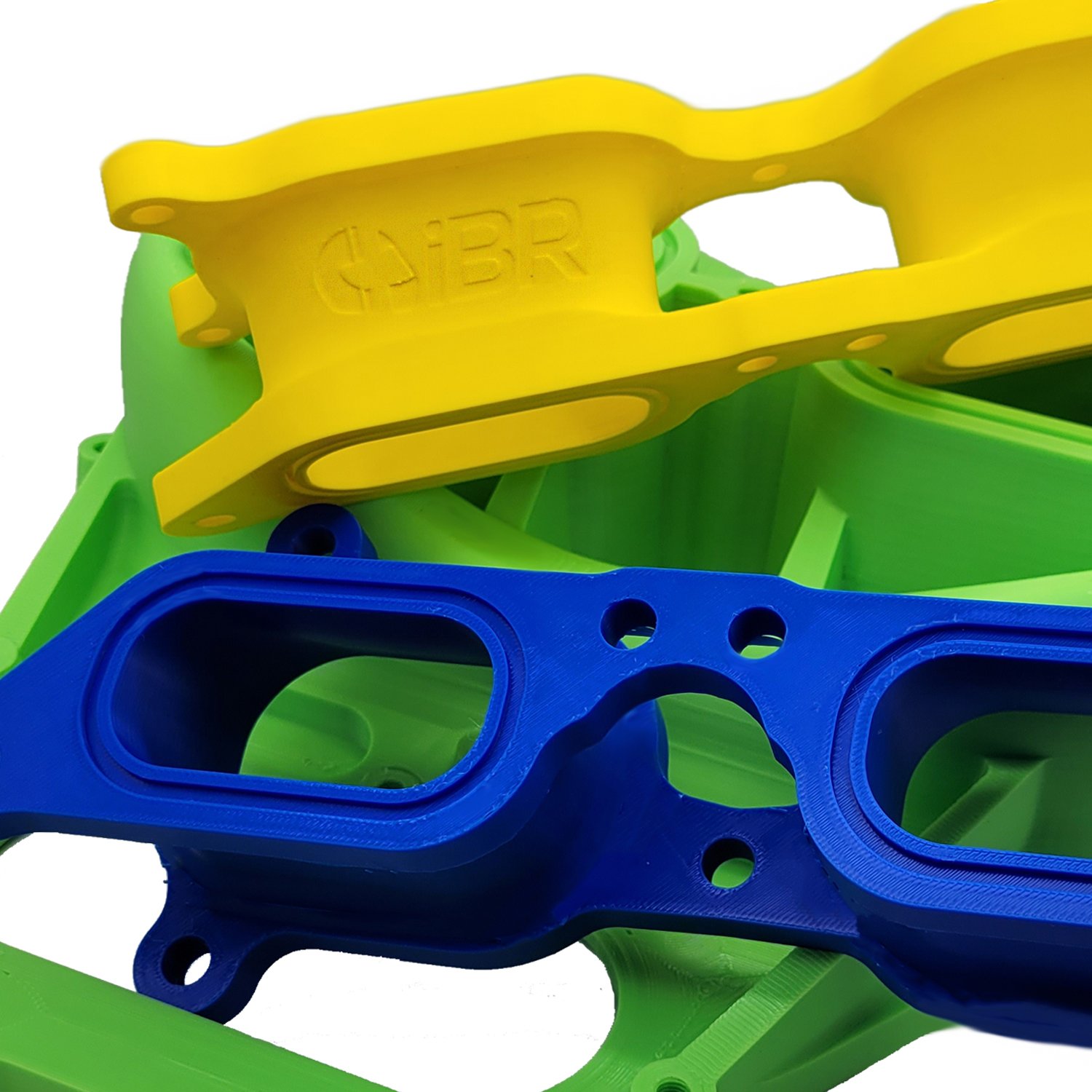
- High Fidelity and Precision – Our 3D printing technology produces prototypes with exceptional detail and precision. This high fidelity ensures that your prototypes closely mimic the final product, providing accurate representations for testing, presentations, and stakeholder approvals.
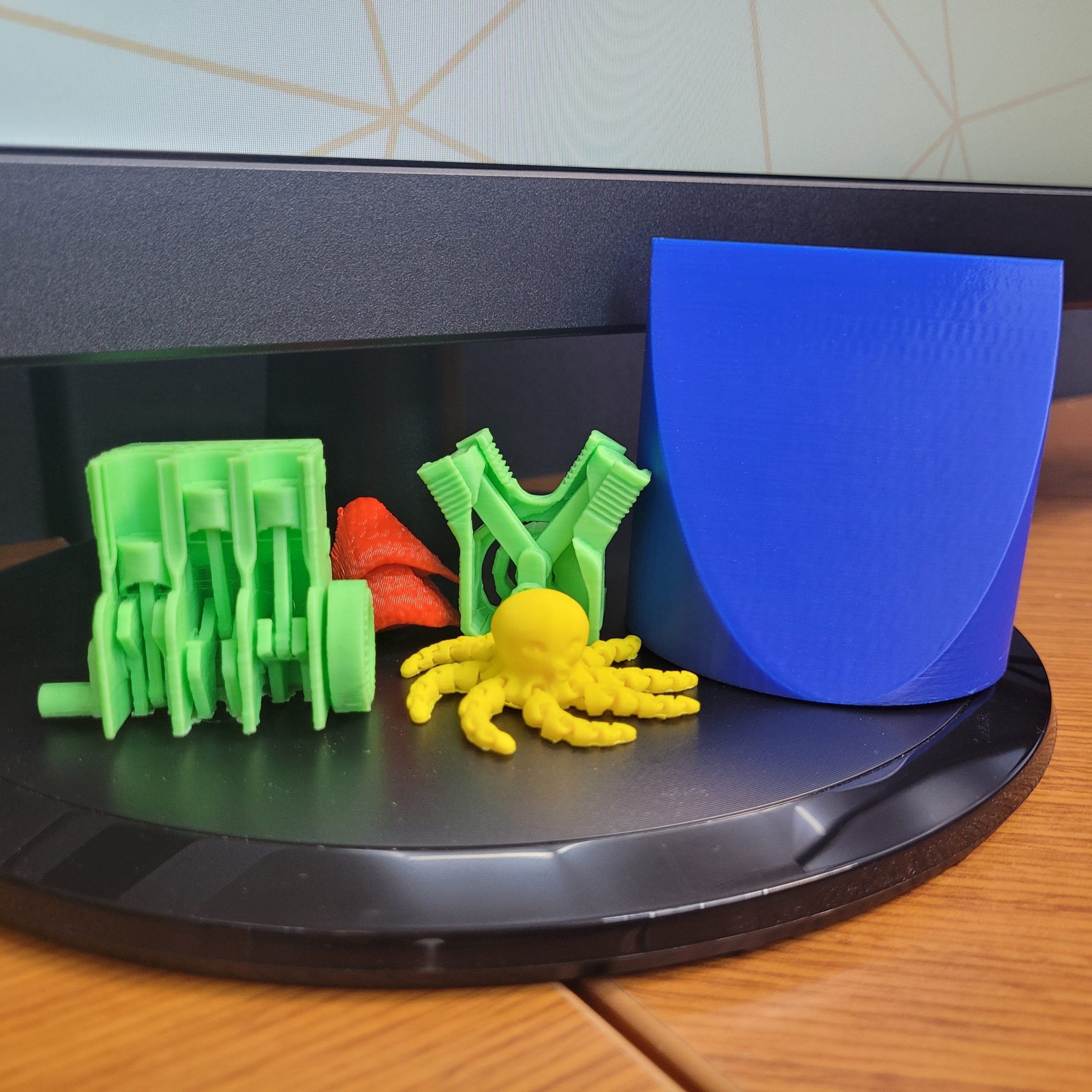
- Versatile Material Options – Whether you need prototypes that mimic plastic, metal, or composite materials, our 3D printing solutions offer a wide range of material options to suit your specific needs. This versatility ensures that your prototypes not only look but also perform like the final product.
Solutions for Fast Prototyping
- Instant Prototyping Services – From concept to creation, our instant prototyping services
provide you with a seamless process to bring your ideas to life quickly. Upload your digital models, choose your materials, and receive your prototypes in a fraction of the time traditional methods would take. - Design Validation and Testing – With our 3D printing solutions, you can validate and test your designs swiftly. Create functional prototypes to assess ergonomics, assembly, and performance, allowing you to identify and address potential issues early in the development process.
- Customization and Flexibility – Our 3D printing technology supports a high degree of customization, enabling you to tailor prototypes to specific requirements or client preferences. This flexibility ensures that your prototypes meet exacting standards and client expectations.
- Seamless Integration with CAD – Our 3D printing services integrate seamlessly with leading CAD software, simplifying the transition from digital design to physical prototype. This integration streamlines the workflow, reducing the time and effort required to produce high-quality prototypes.
Prototyping Capabilities
Urethane Casting Prototyping
Urethane casting is an ideal way to produce small quantities of parts quickly for functional and cosmetic testing. It can be used to produce parts with complex geometries and fine detail. One silicone mold can be used to produce the same part in a variety of durometers, so they can be tested side-by-side to determine which one works best.
STEP Technology
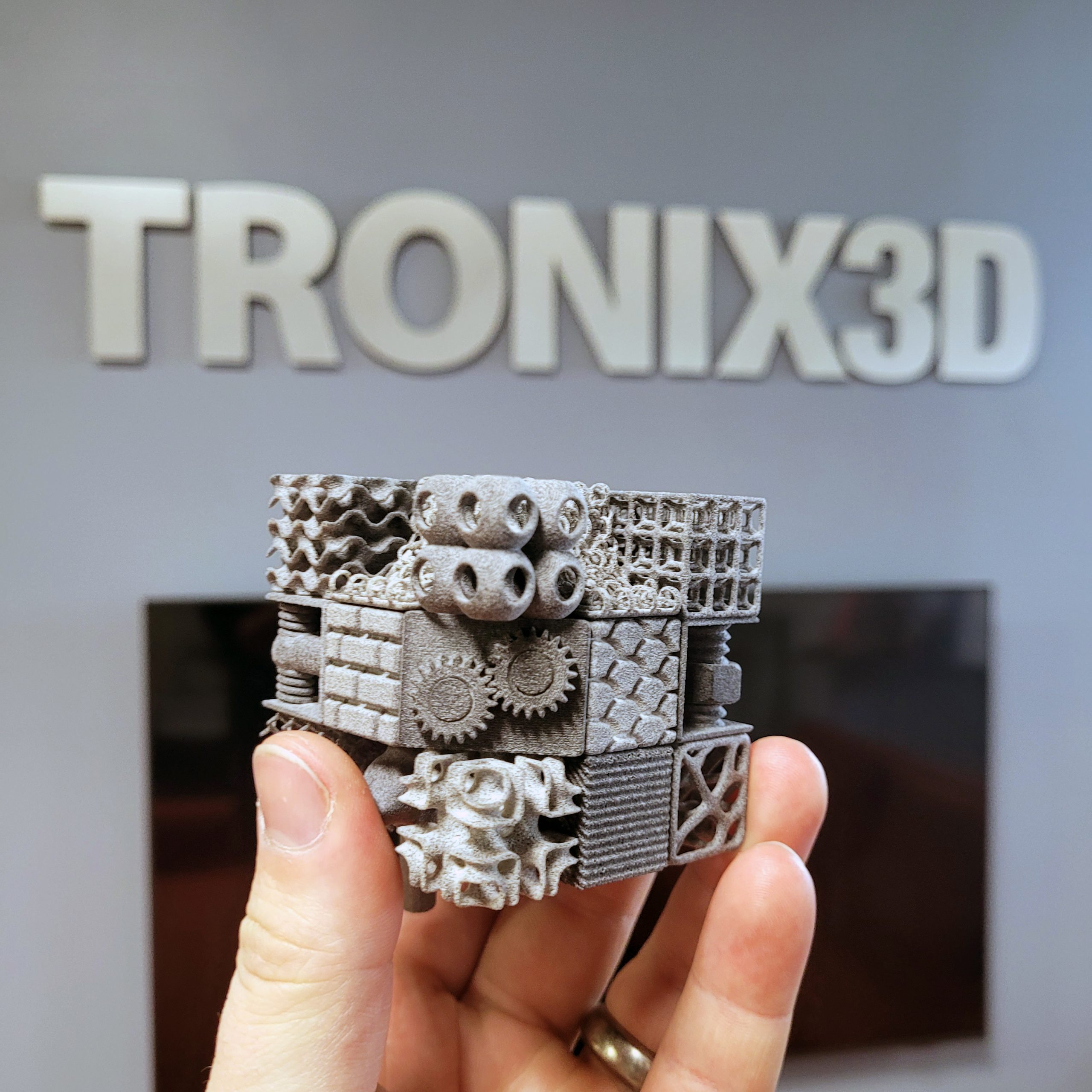
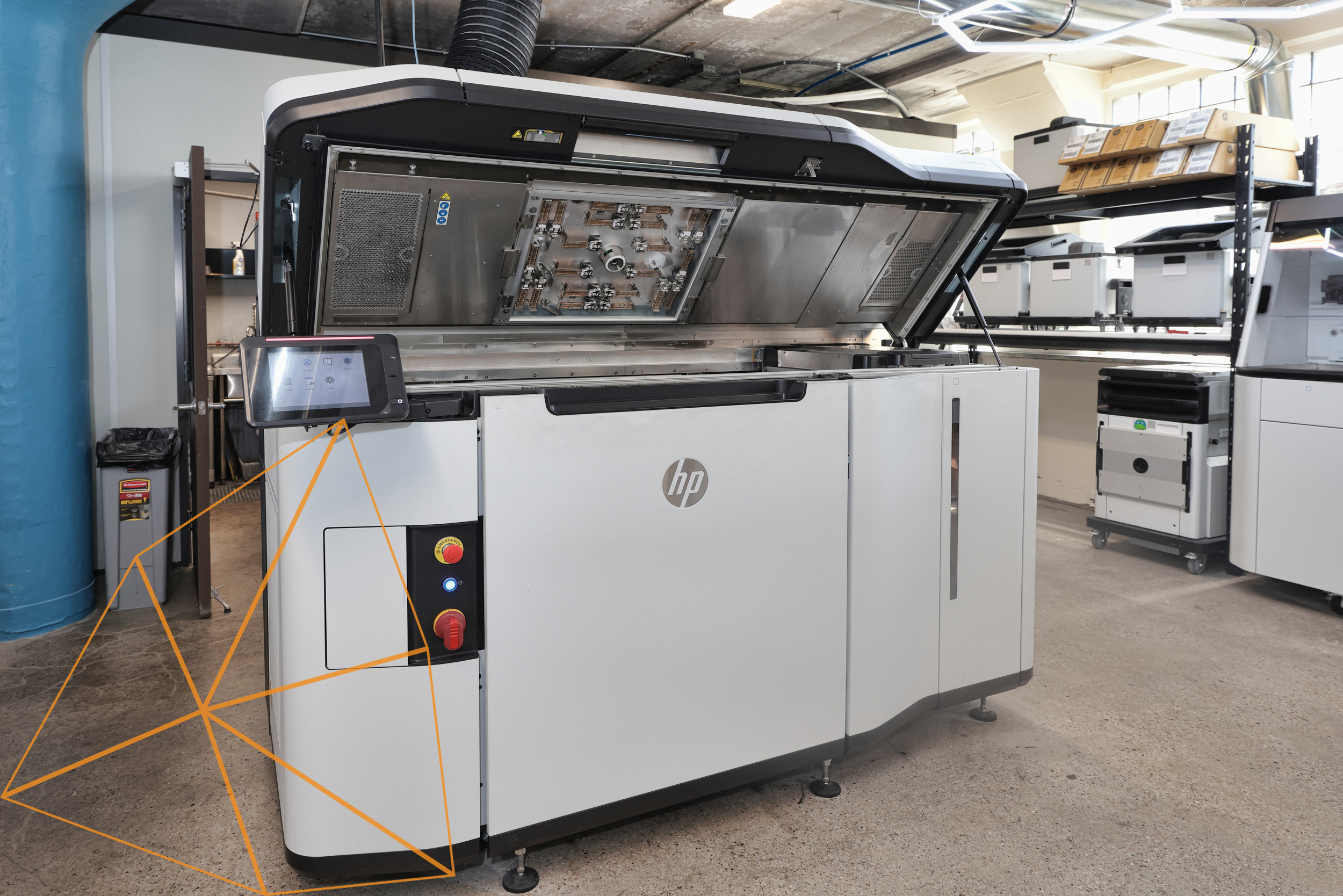
Selective Thermoplastic Electrophotographic Process (STEP) is a revolutionary additive technology that enables you to produce high-precision prototype parts without tooling. Because it uses powdered versions of popular thermoplastics, it can serve as a single solution for everything from prototype parts and bridge production to full production.
Sheet Metal Prototyping
Prototype metal parts can be made using a variety of methods, including:
Stamping
CNC-controlled cutting (water jet, micro water jet, laser and wire EDM)
Press brakes
Progressive dies
Multi-slide forming
Chemical etching
Injection Molding Prototyping
Our ICOMold by Fathom rapid tooling service produces steel tooling quickly, with delivery of sample parts in as little as 15-days. Not aluminum tooling, which has a limited life, but hardened steel tooling that is perfect for bridge and low-volume production of parts. No one produces rapid steel tooling faster than ICOMold by Fathom!
Fiberglass Layup Prototyping
The Fathom team has decades of experience in hand-building large prototype parts using the traditional process of laying up fiber-reinforced plastic (FRP) in wooden molds.
This process uses reinforcement material like fiberglass, saturated with liquid resin, which is applied and shaped by hand to fit the mold. The size of these panels is limited only by the size of the mold. Once the parts have cured, they can be finished and painted for use on products that are under development. Fiberglass layup is significantly less expensive than other methods of making large parts.
One Fathom customer utilizes our fiberglass layup skills to build body panels for new models of agricultural equipment. It’s the perfect way to confirm fit and finish before production.
Partner with Us for Efficient Prototyping
At Tronix3D we are dedicated to helping you streamline your product development process with innovative 3D printing solutions. Our expertise and state-of-the-art technology ensure that your prototypes are produced quickly, accurately, and cost-effectively.
Why Choose Tronix3D forPrototyping?
Every great creation starts with a great idea, every great idea becomes that creation with a great plan. Paired with our additive manufacturing capabilities, Tronix3D offers a veteran manufacturing design team. We have been able to help many companies not only bring a design to reality but help improve on the design ensuring its effectiveness and structural quality in the real world market.
What is an accurate prototype worth to you? Beyond optimization services we are able to help customers save on major production costs typically found when going the traditional tooling route.
- Lower Production Cost
- Team of Knowledgable Engineers
- Faster Results
- Design Optimization