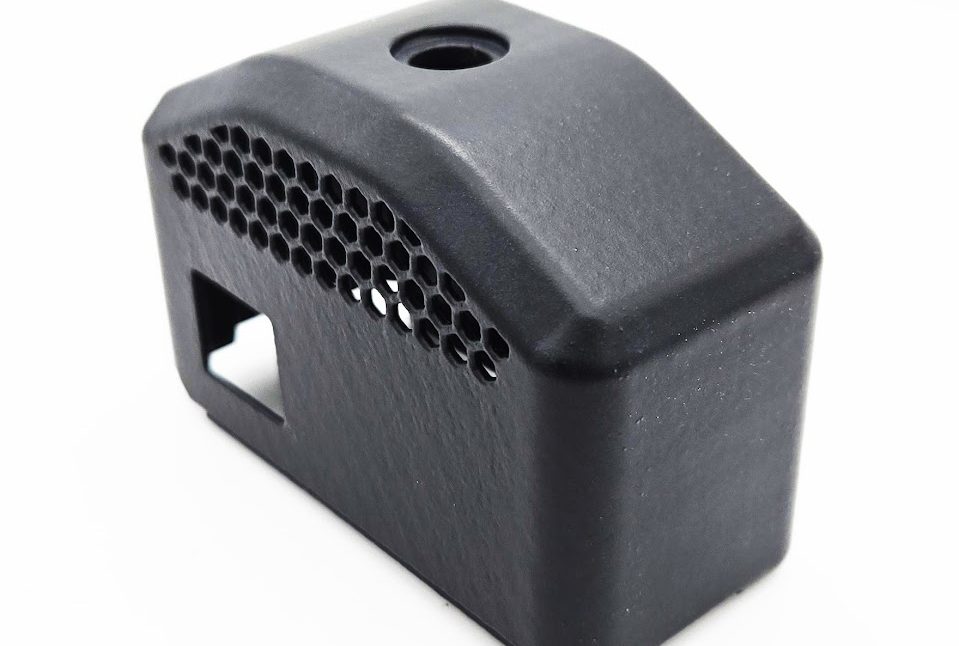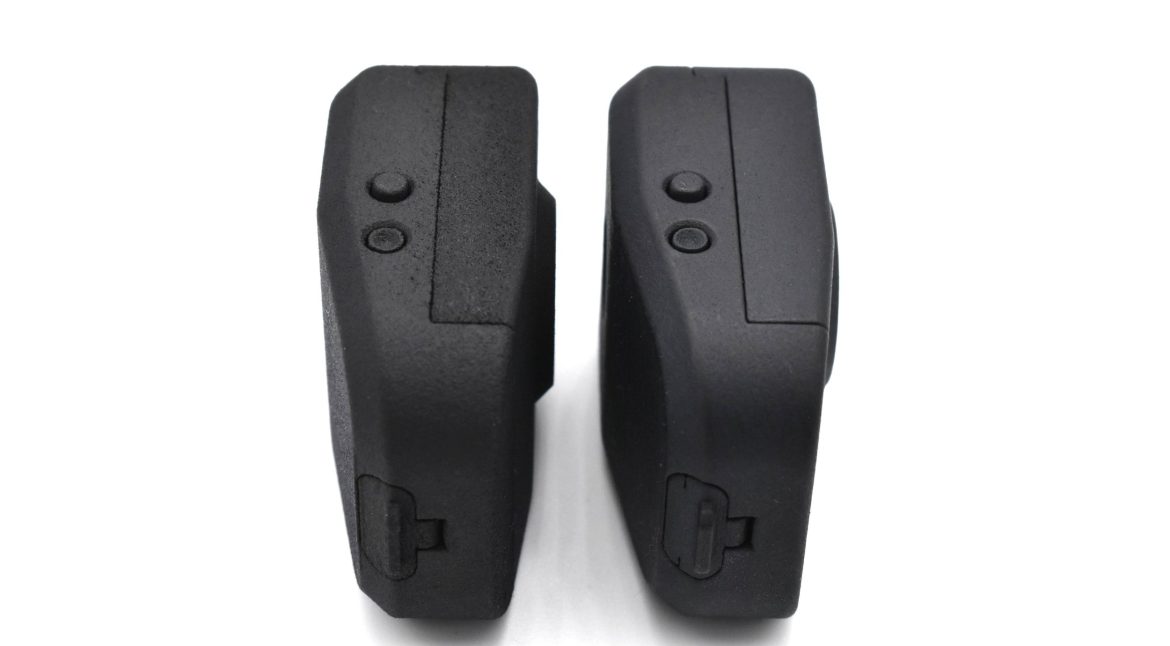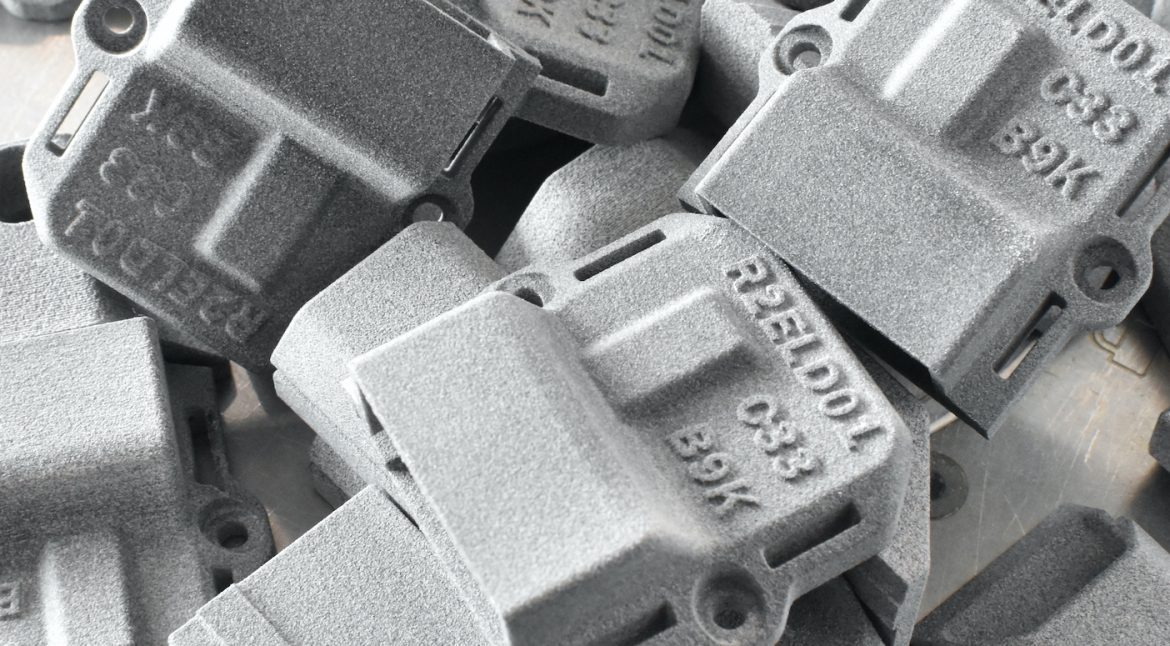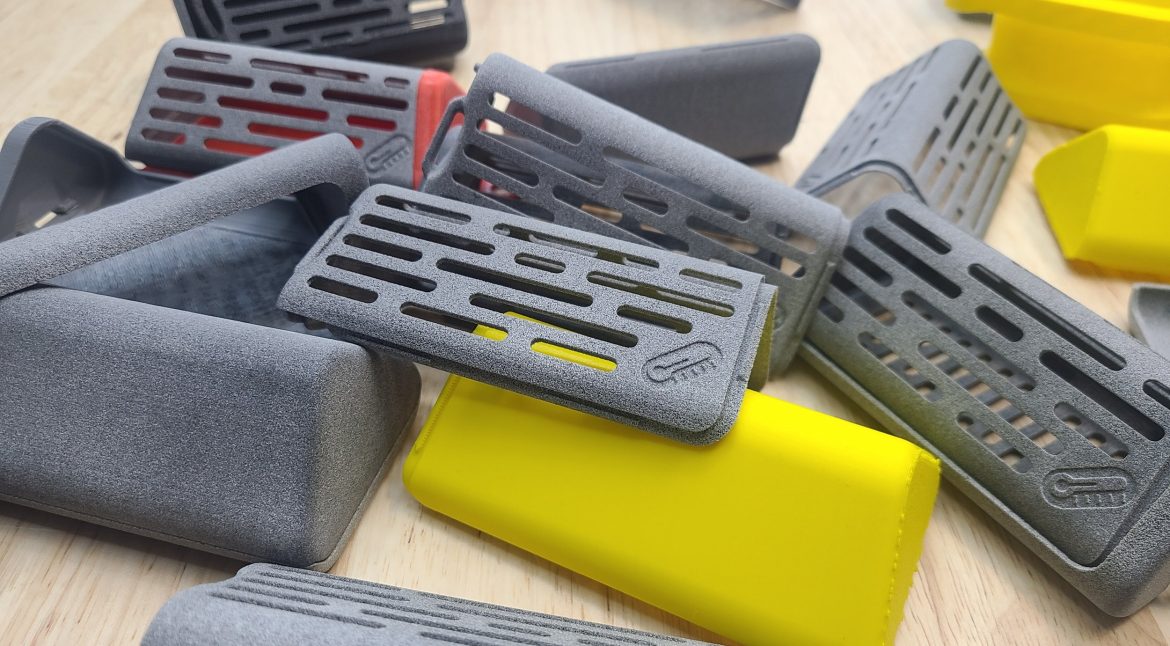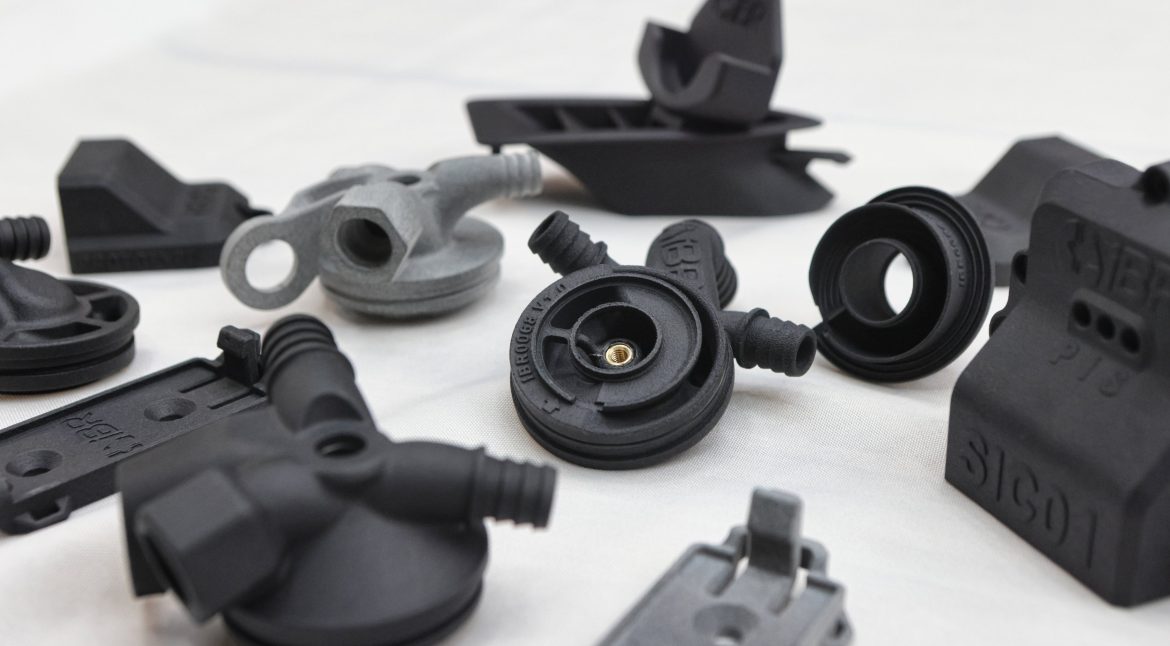
Surface finish can make or break a 3D-printed part. While additive manufacturing delivers complex geometries and production-ready strength, the raw surface often requires refinement for functional or cosmetic applications. Vapor smoothing is one of the most effective finishing processes for polymer parts, enhancing both performance and appearance without compromising accuracy.…
Global supply chains are under more pressure than ever. From geopolitical instability and transportation delays to raw material shortages, manufacturers face mounting challenges in getting the parts they need, when they need them. To stay competitive, industries are turning to localized manufacturing powered by additive technologies. 3D printing allows companies…
The Internet of Things (IoT) and modern electronics are evolving at breakneck speed. Engineers are under pressure to deliver smaller, smarter, and more reliable devices, often with rapid iteration cycles and specialized requirements for housings, sensors, and wearable components. Additive manufacturing (AM) is becoming a critical enabler, bridging the gap…
How Agile Production, Digital Design, and Batch Optimization Drive Environmental and Economic Impact
In today’s manufacturing landscape, engineers are tasked with meeting aggressive timelines while balancing cost efficiency and sustainability. Additive manufacturing technologies like HP Multi Jet Fusion and Cold Metal Fusion are making this possible by combining agile production, digital design, and batch optimization. Together, these practices not only streamline production but…
As additive manufacturing (AM) technologies evolve, so does the importance of Design for Additive Manufacturing (DfAM). More than just a buzzword, DfAM is the strategic process of designing parts specifically to leverage the benefits of 3D printing, rather than treating it as a direct replacement for traditional methods like machining…
Additive manufacturing (AM) is rapidly becoming a strategic asset for the Department of Defense (DoD). As the military prioritizes agile development, resilient supply chains, and rapid prototyping, AM offers a powerful solution for mission-critical production. Supporting the Mission with Speed and Flexibility In modern defense environments, speed matters. Traditional supply…
As demand for agile, high-performance manufacturing grows, additive manufacturing (AM) continues to expand its role in solving complex engineering challenges. For industries like aerospace, defense, medical, and robotics, 3D printing is more than a prototyping tool—it’s a production-grade solution. Here are five professional trends that are redefining the potential of…
In today’s manufacturing and production environments, unplanned downtime is costly, and long lead times for replacement parts can cripple operations. Whether you’re managing an aging fleet of machines or dealing with legacy equipment, sourcing spare or obsolete parts often becomes a logistical headache. This is where additive manufacturing (AM), also…
Additive manufacturing, or 3D printing, has evolved far beyond its origins as a prototyping tool. Today, it’s transforming how companies design, manufacture, and deliver products. While industries like aerospace and medical have long embraced 3D printing, its ripple effects are being felt across traditional manufacturing sectors in ways that many…
Precision, speed, and surface quality are critical to maintaining a competitive edge. While many people are familiar with FDM and SLS technologies, resin-based 3D printing—specifically masked stereolithography (mSLA)—is rapidly gaining traction across industries for its unique ability to produce highly detailed, durable, and cost-effective parts. At Tronix3D, our advanced mSLA…